
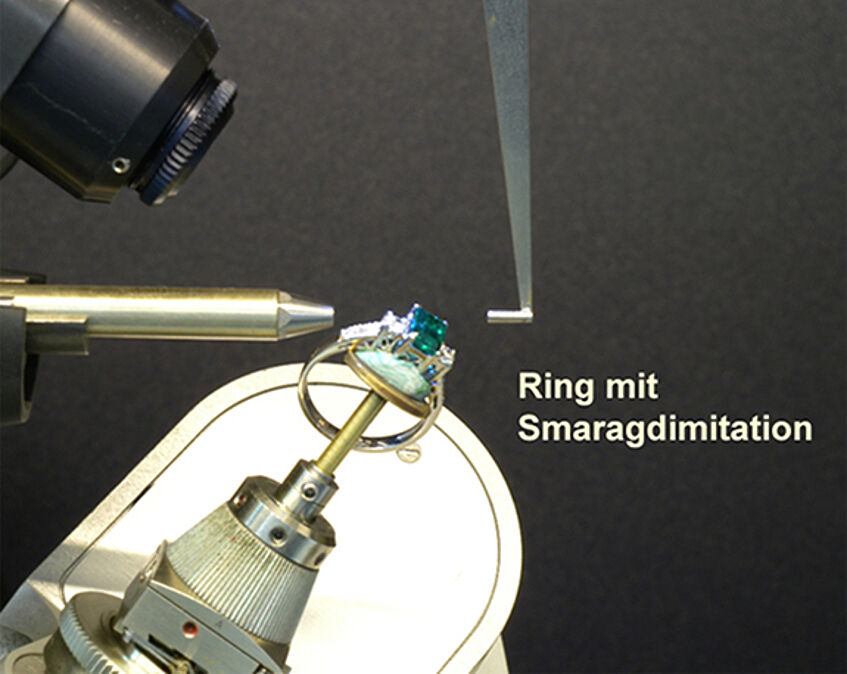
Ring with emerald imitation
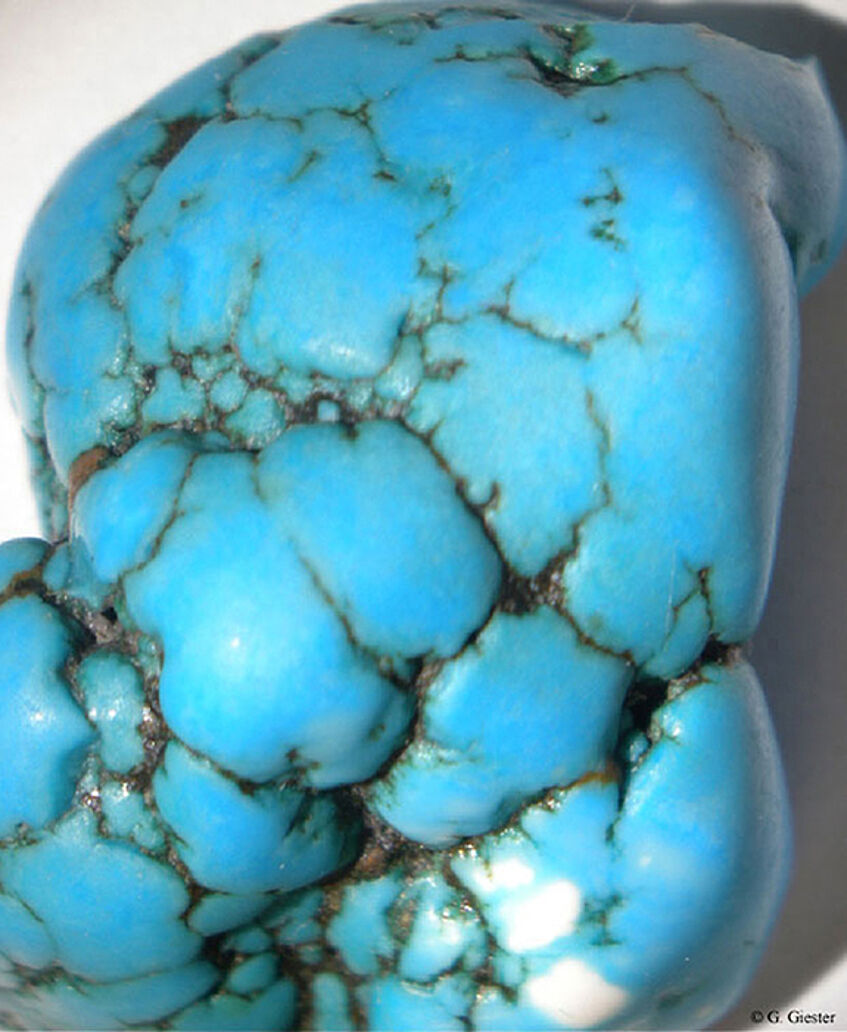
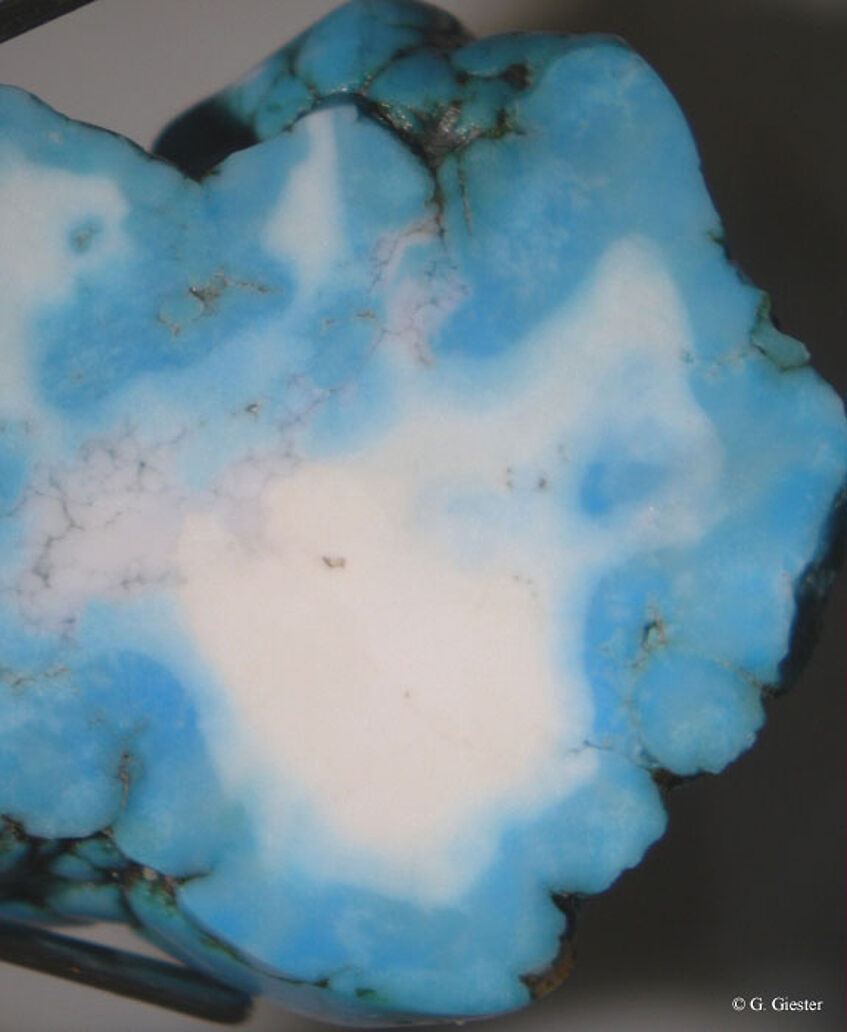
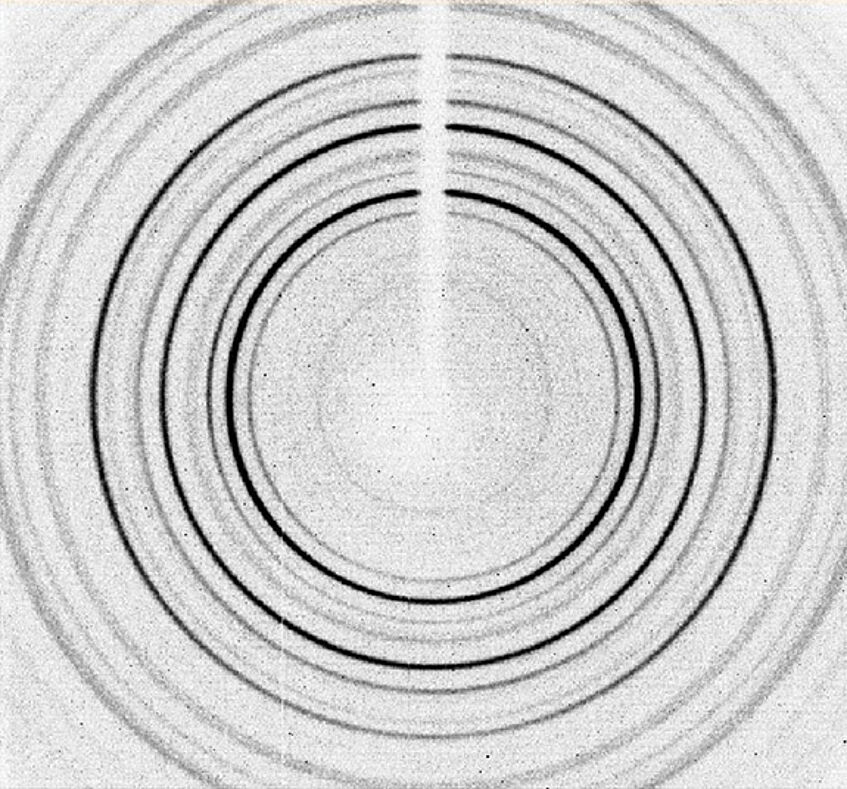
Magnesite (dyed) with powder diffraction lines
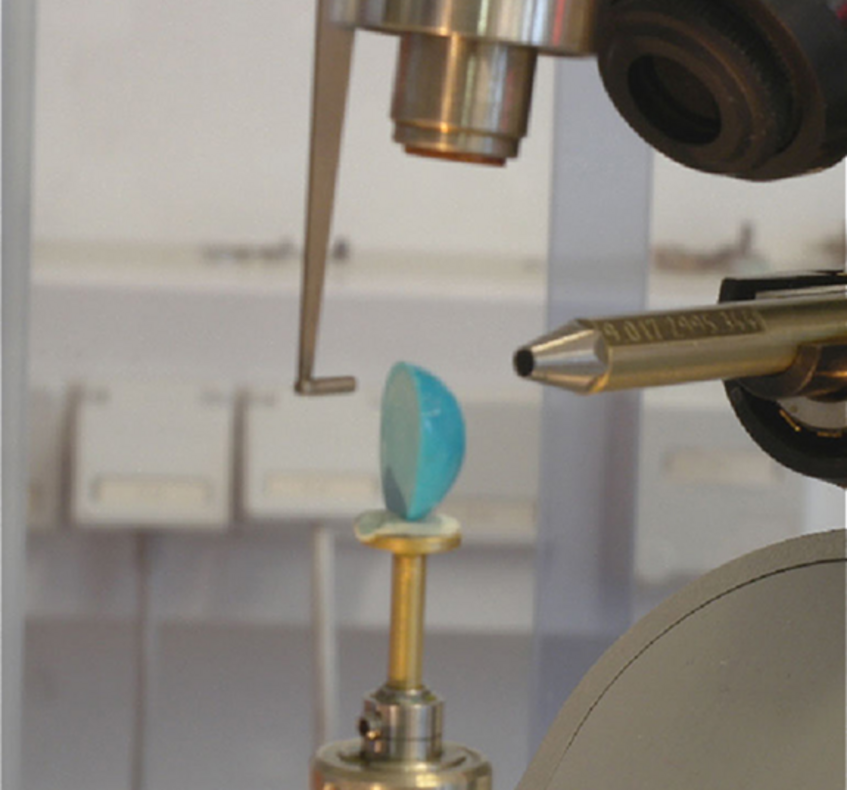
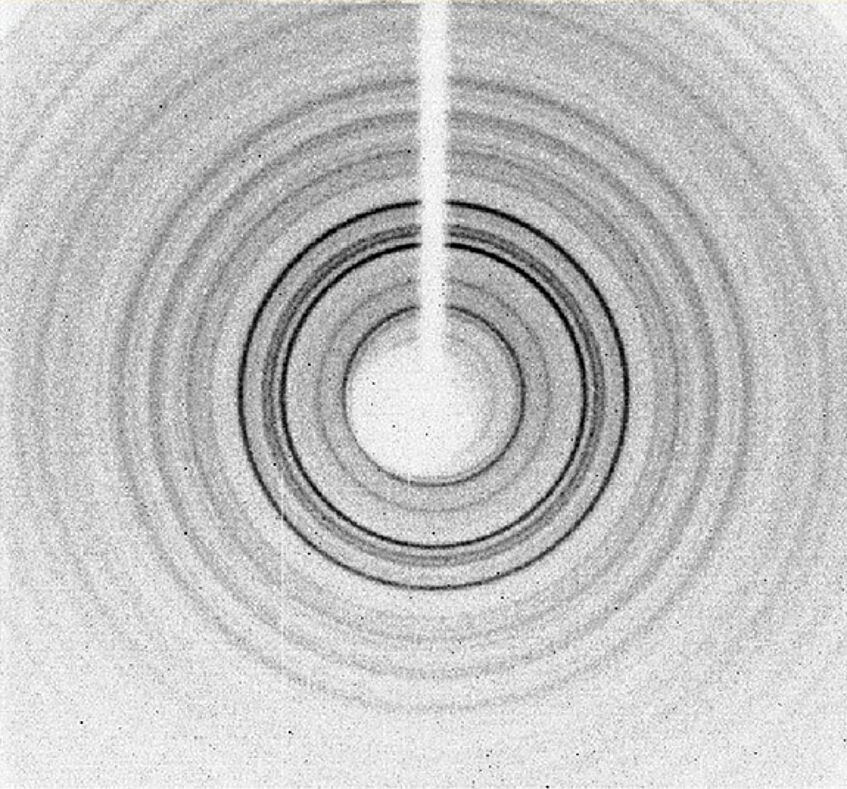
Turquoise with powder diffraction lines
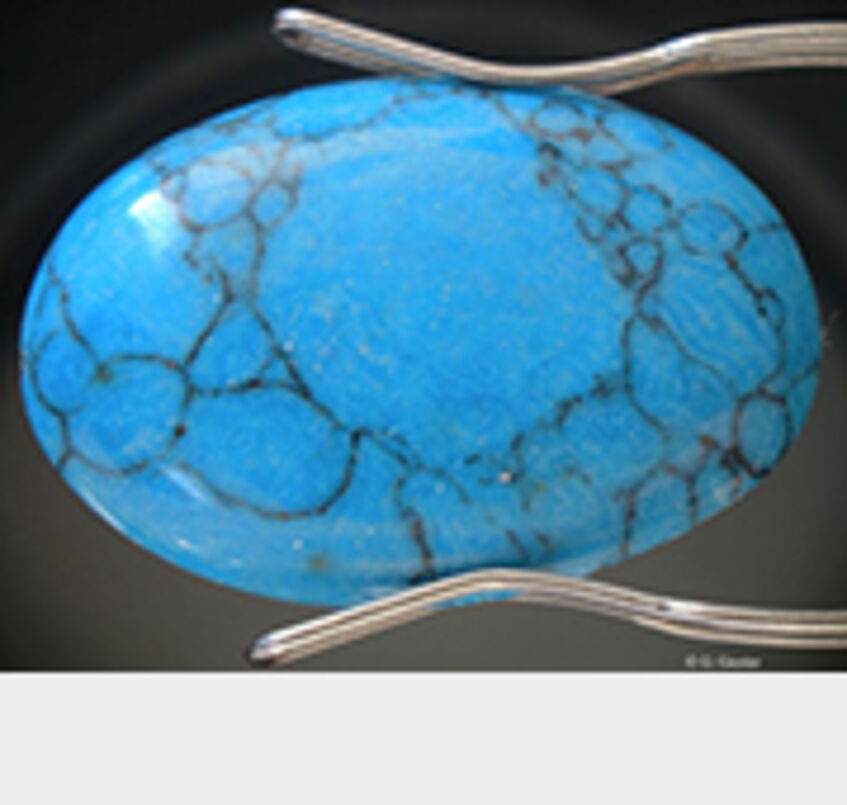
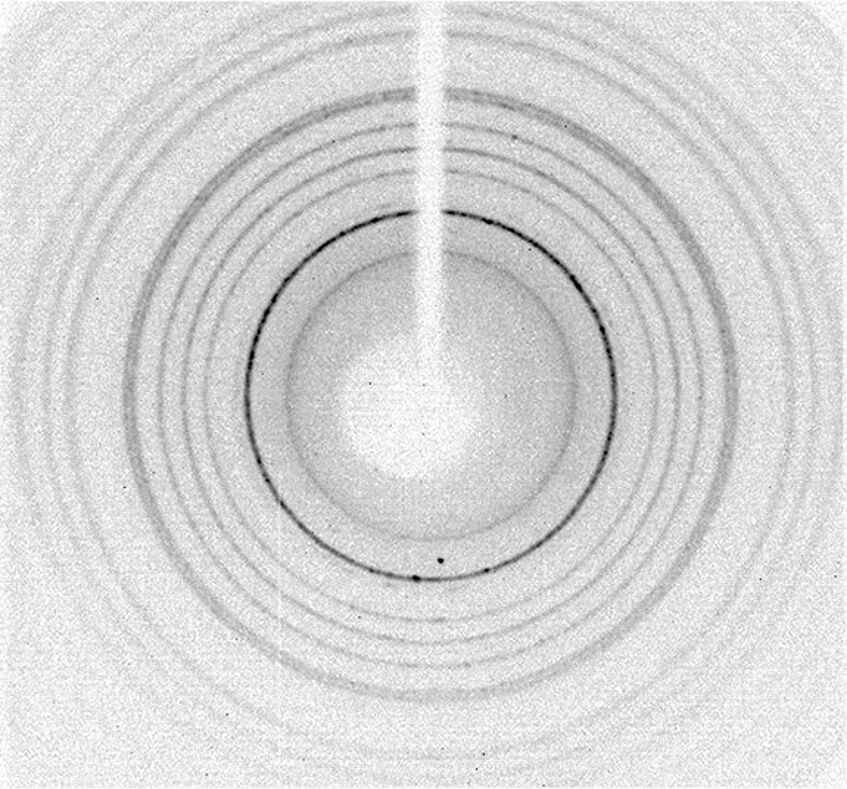
Gibbsite (dyed) with powder diffraction lines
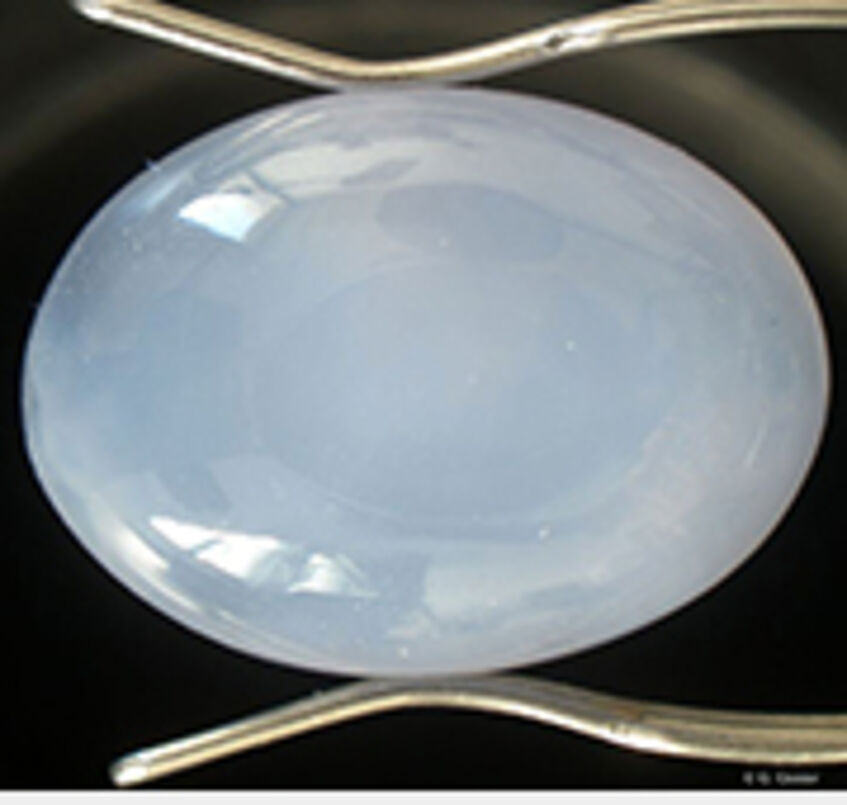
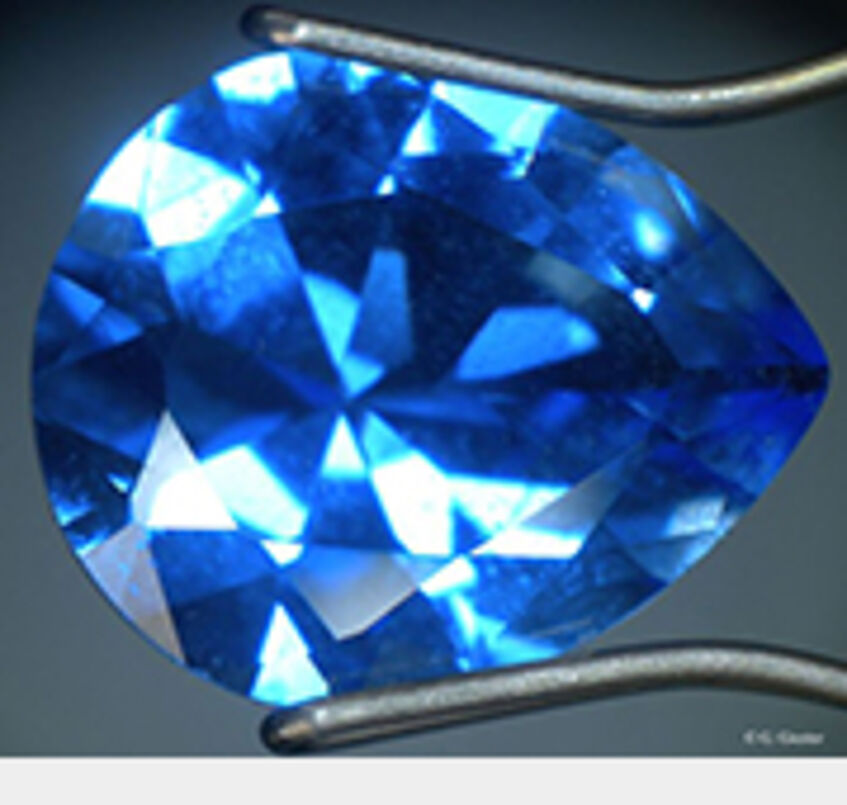
Chalcedony and synthetic hydrothermal quartz
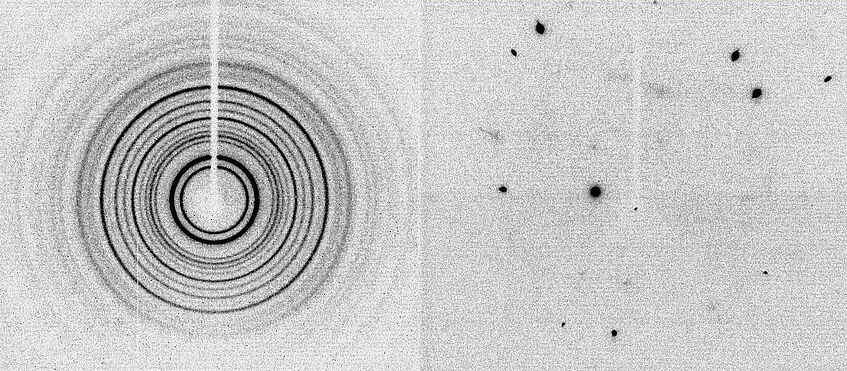
Quartz: powder and single crystal diffraction images
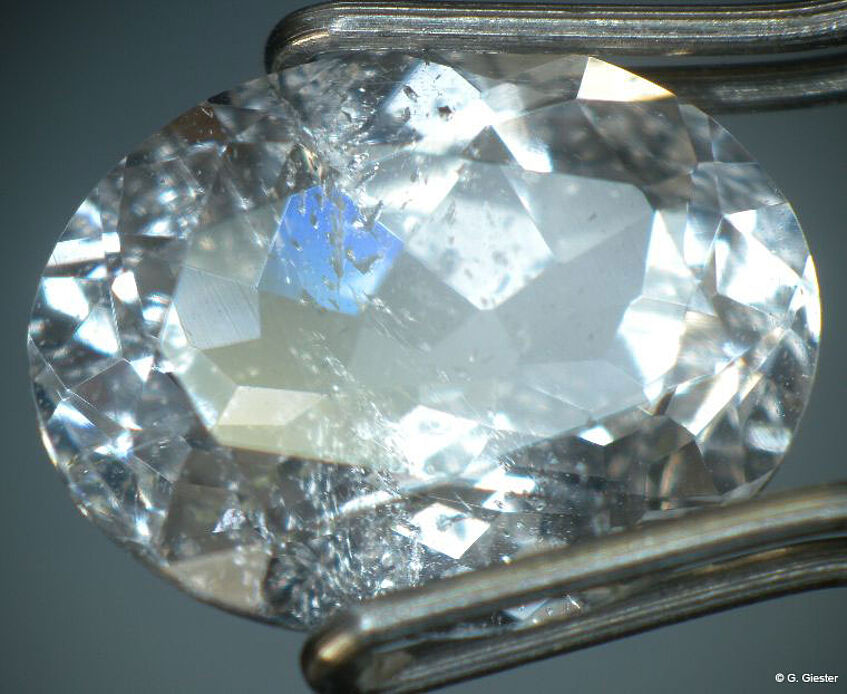
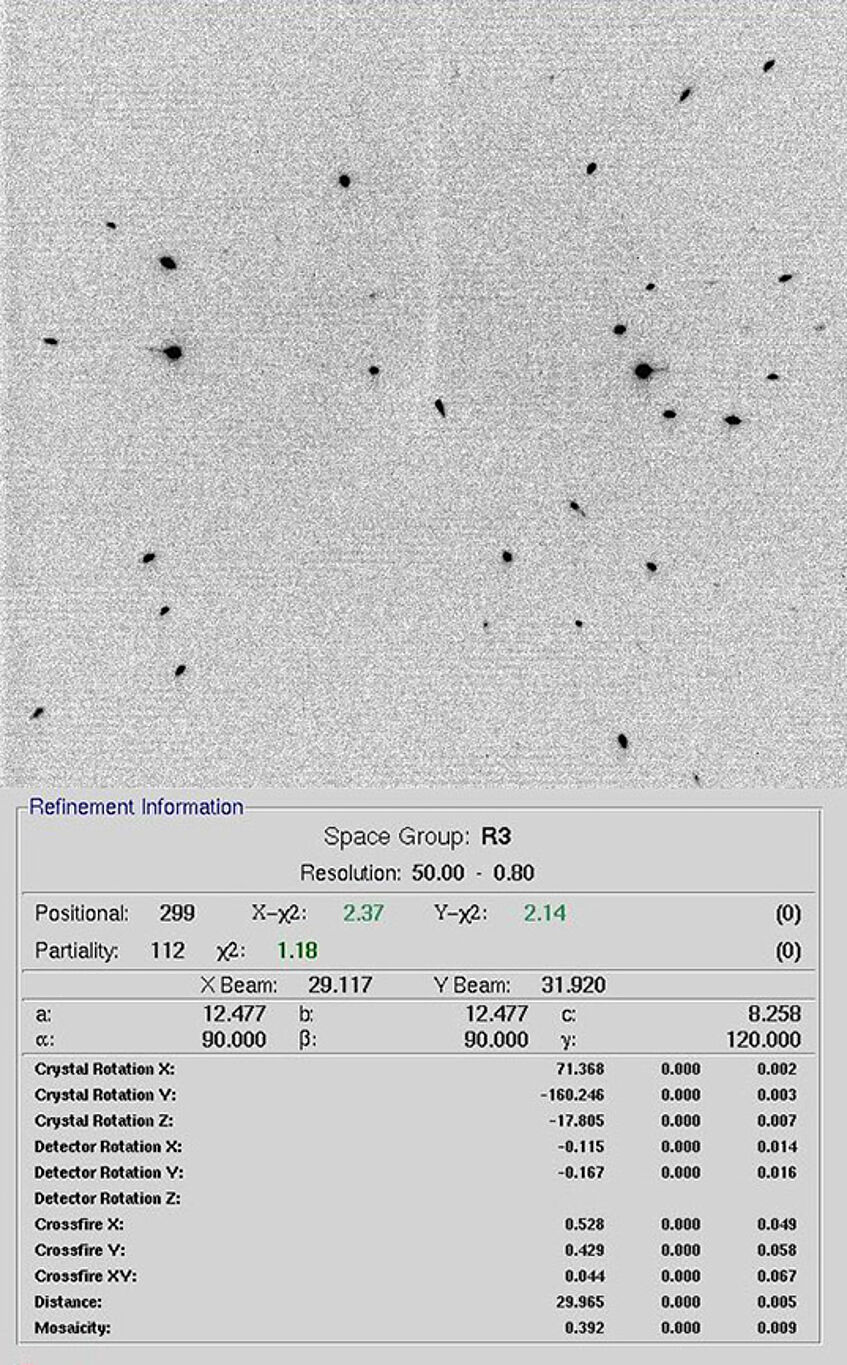
Phenakite
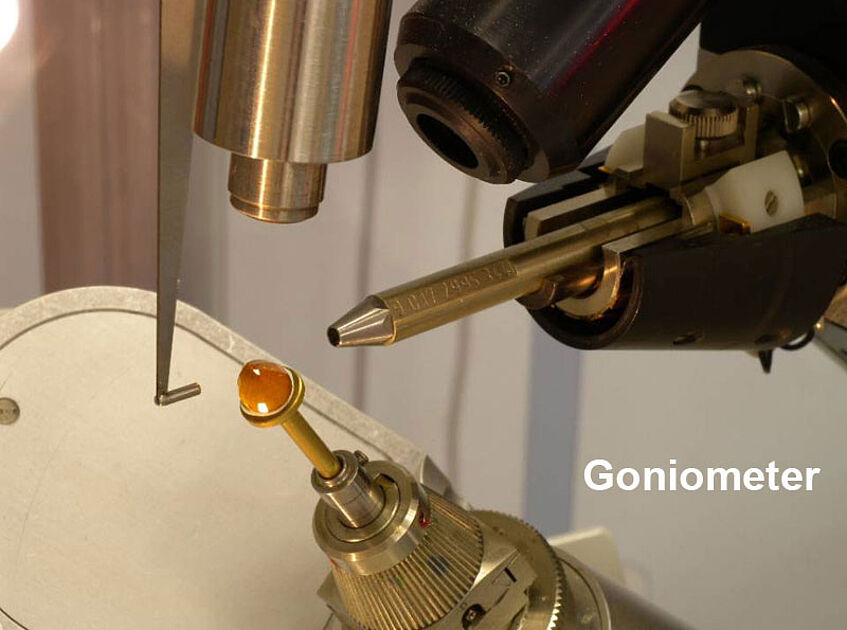
Goniometer
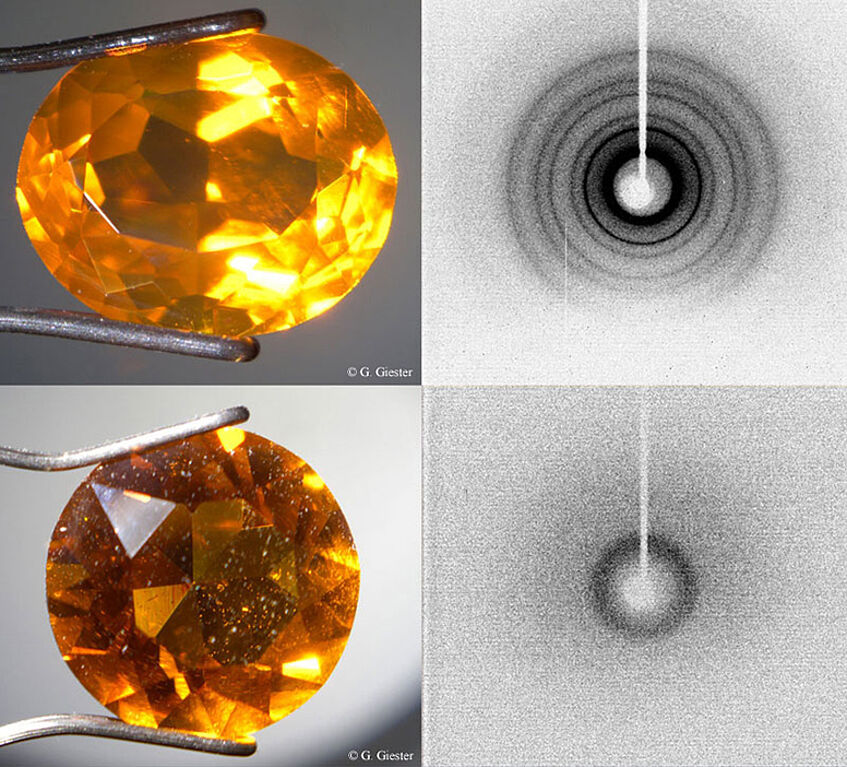
Fireopal (upper line) and glass imitation with X-ray patterns
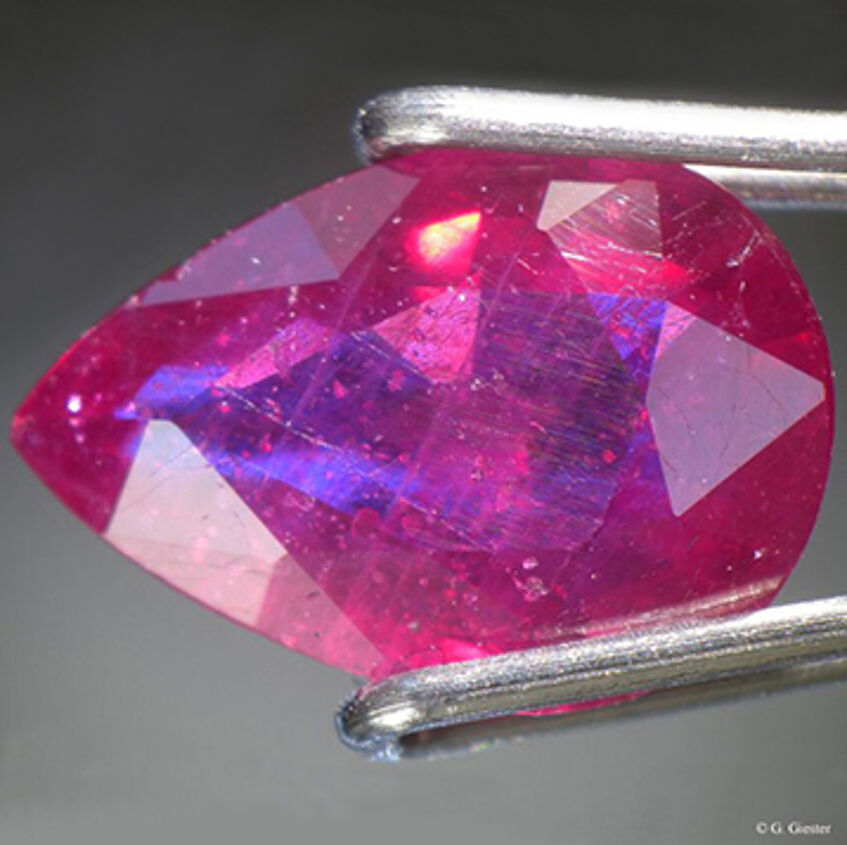
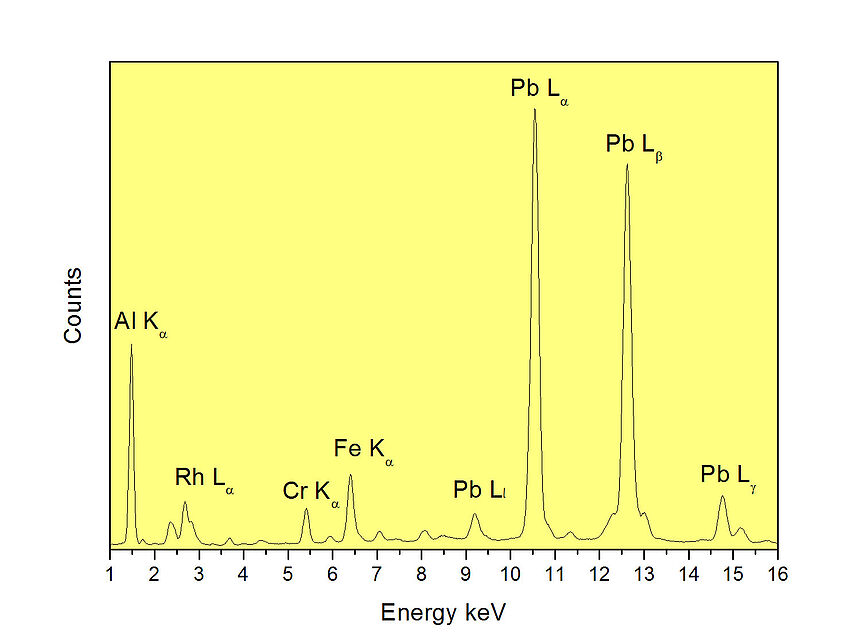
Ruby, lead-glass filled
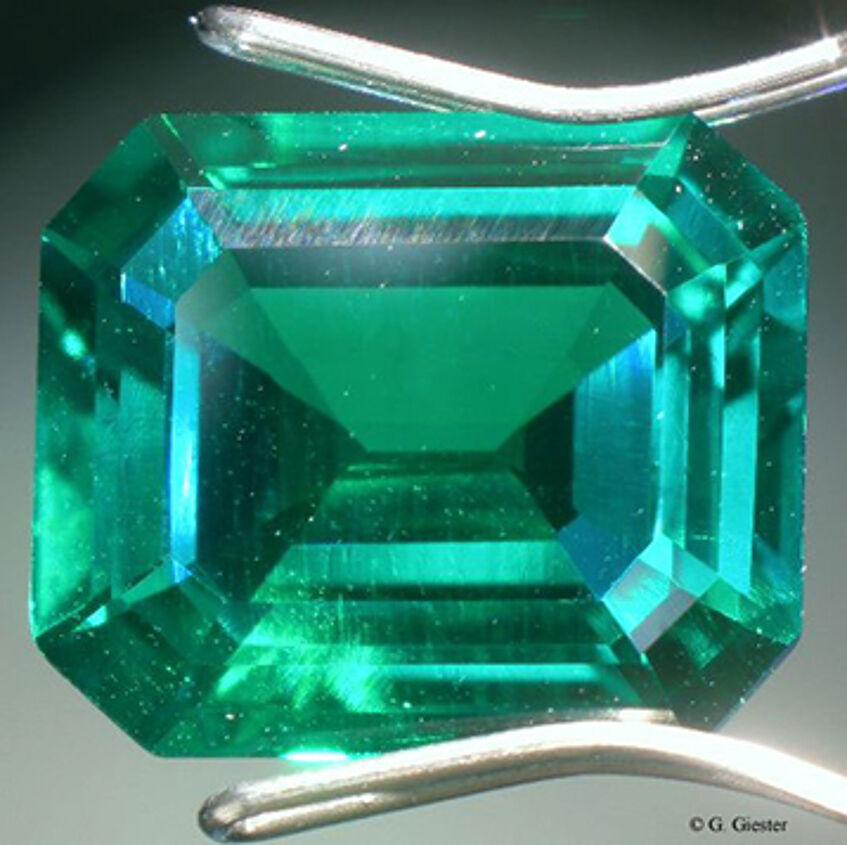
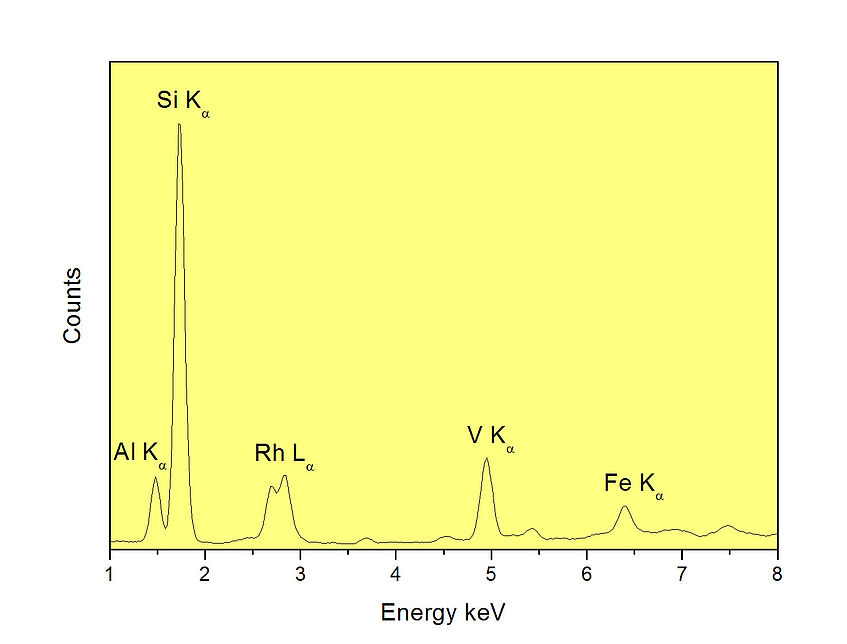
"Malossi" emerald, hydrothermal
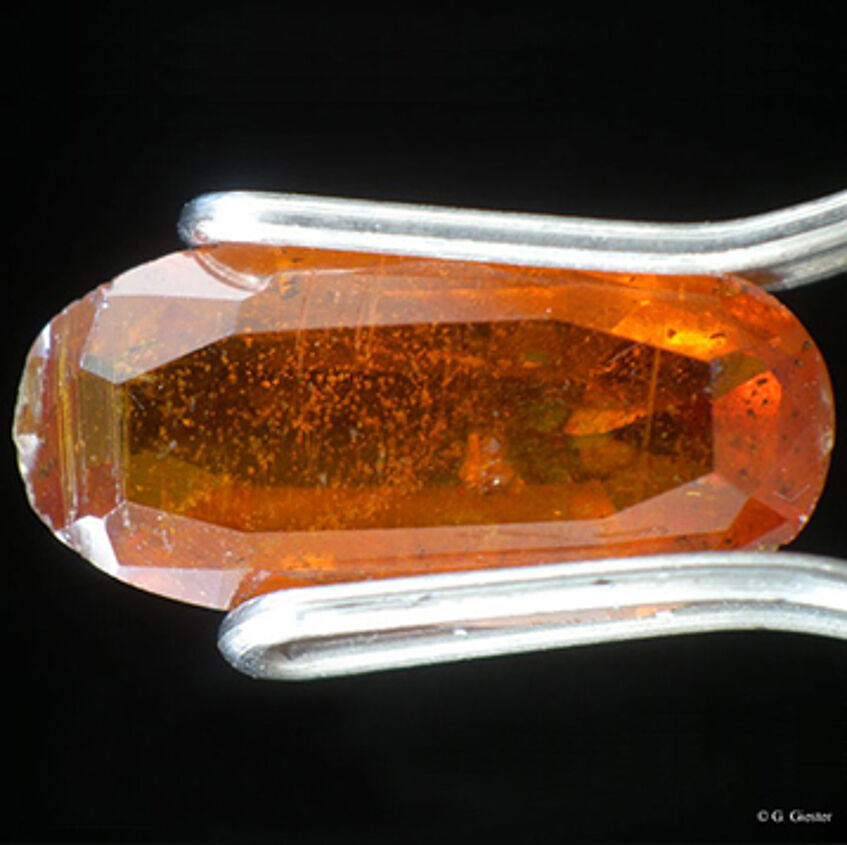
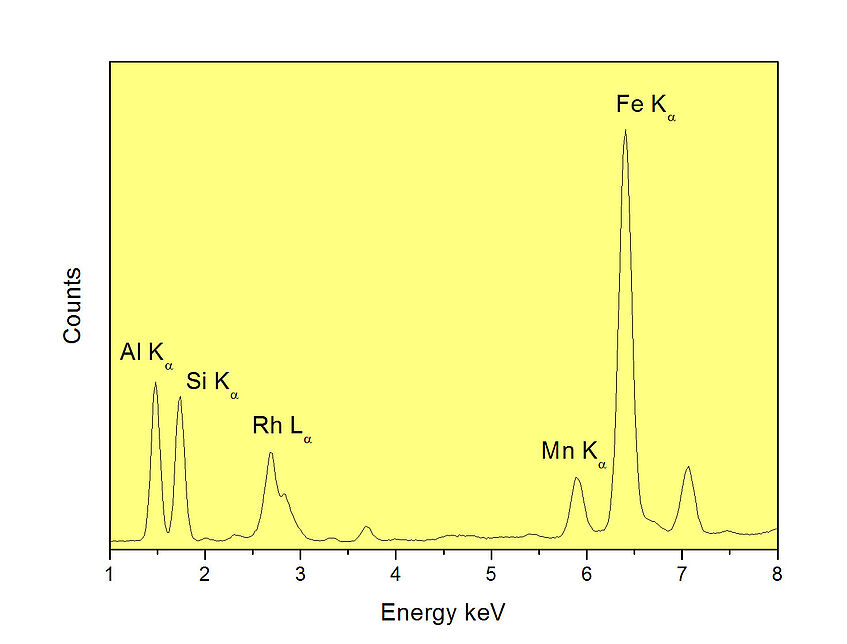
Disthene, Mn-bearing
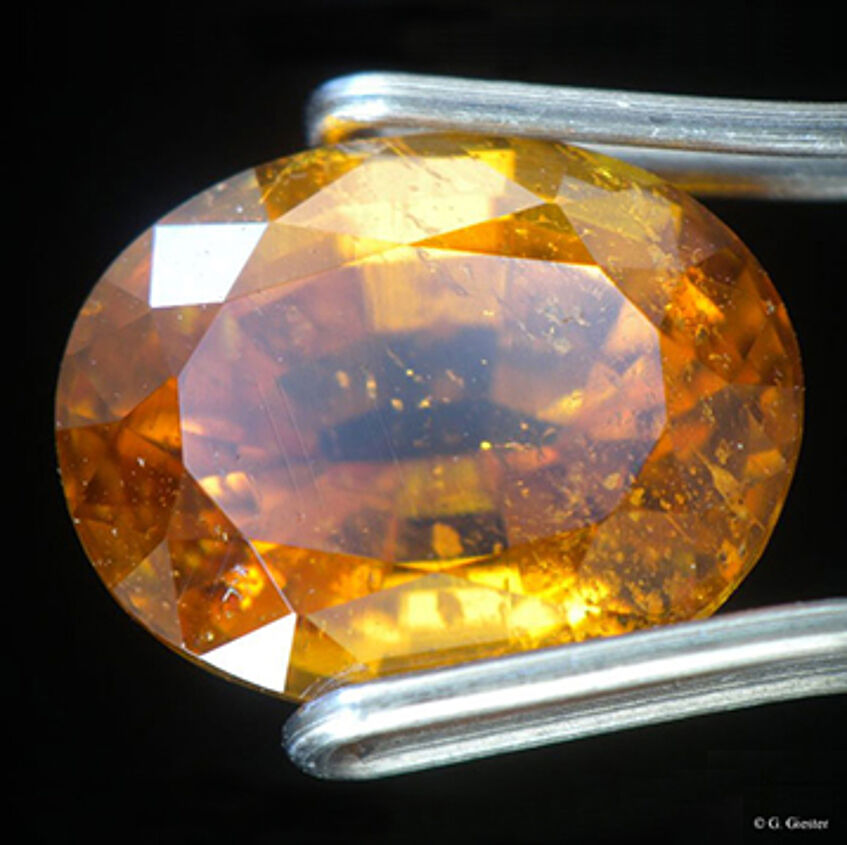
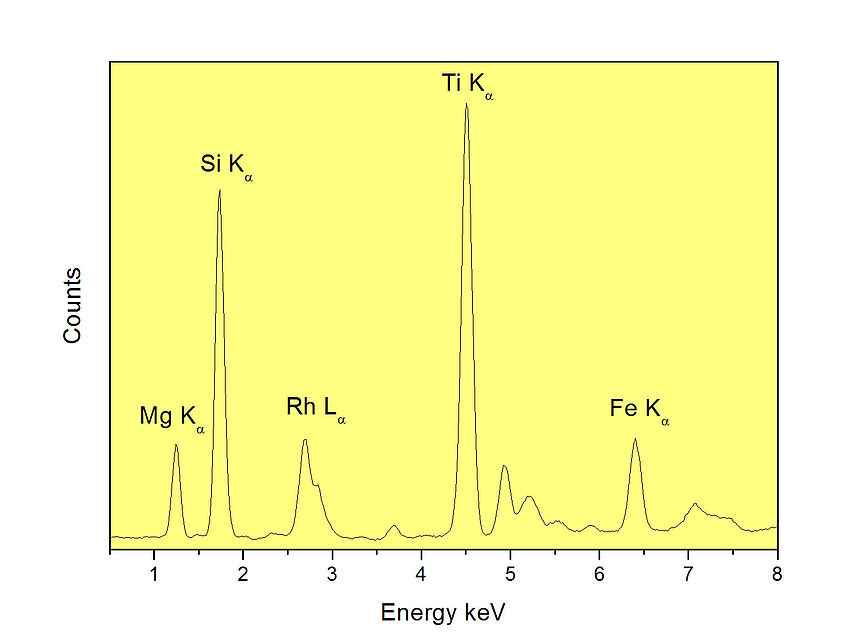
Titanclinohumite
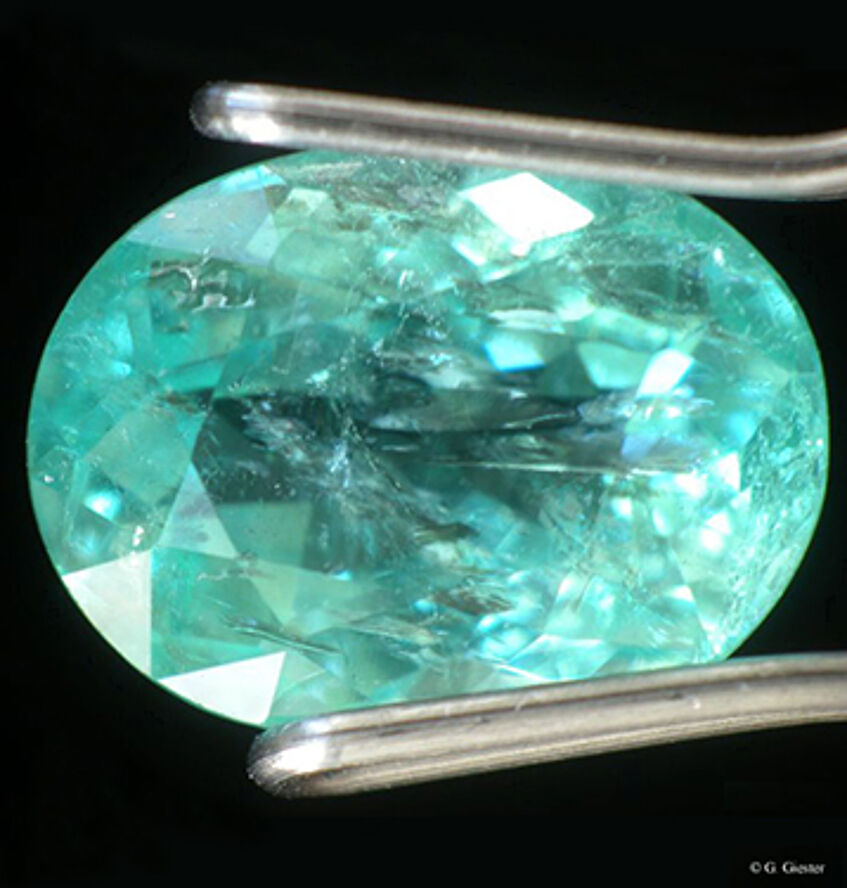
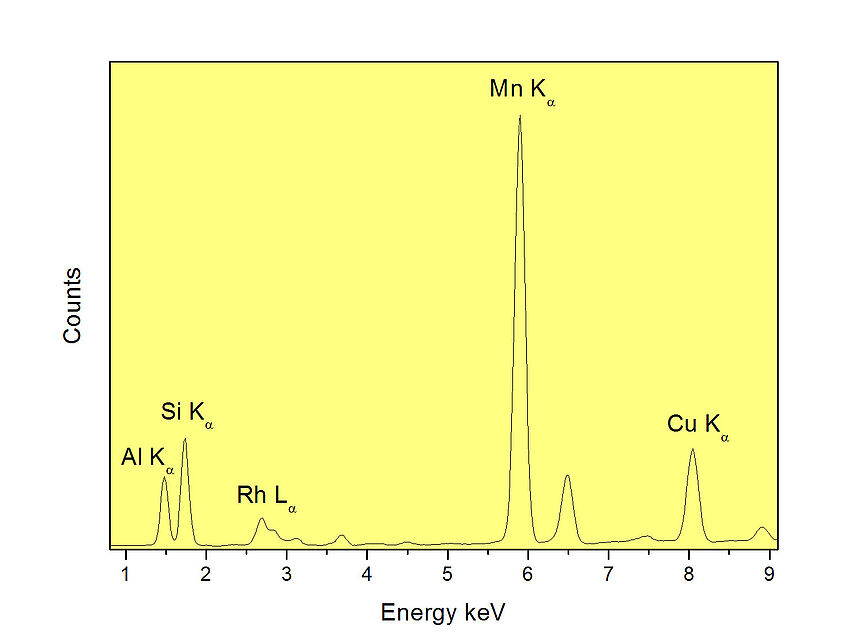
Elbaite "Paraiba"-colored
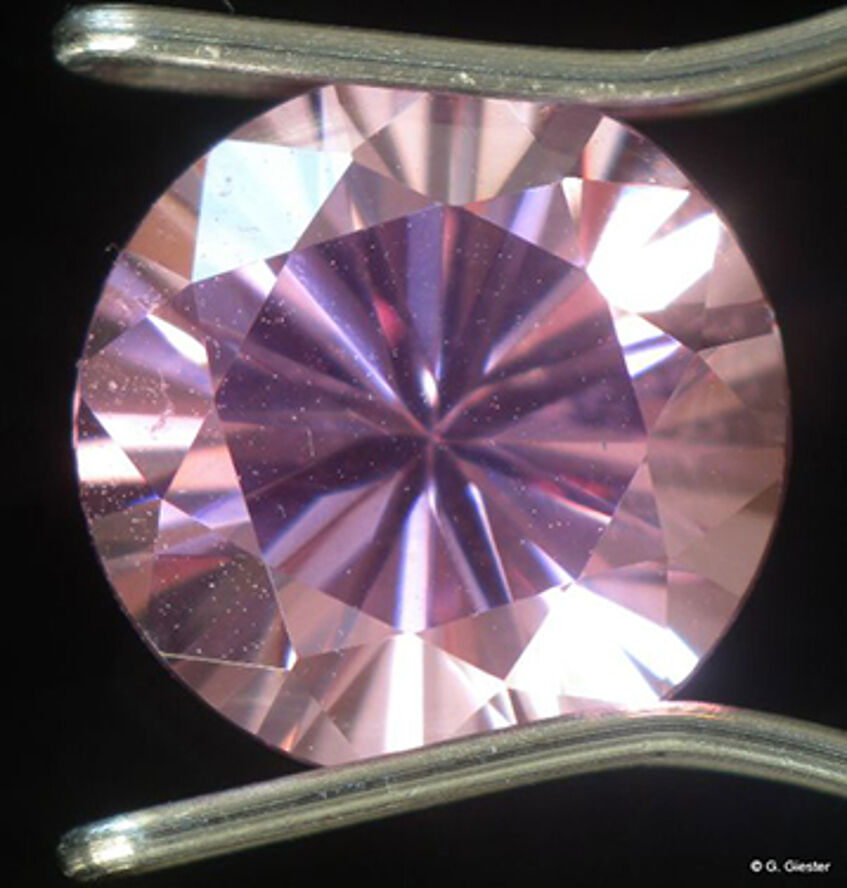
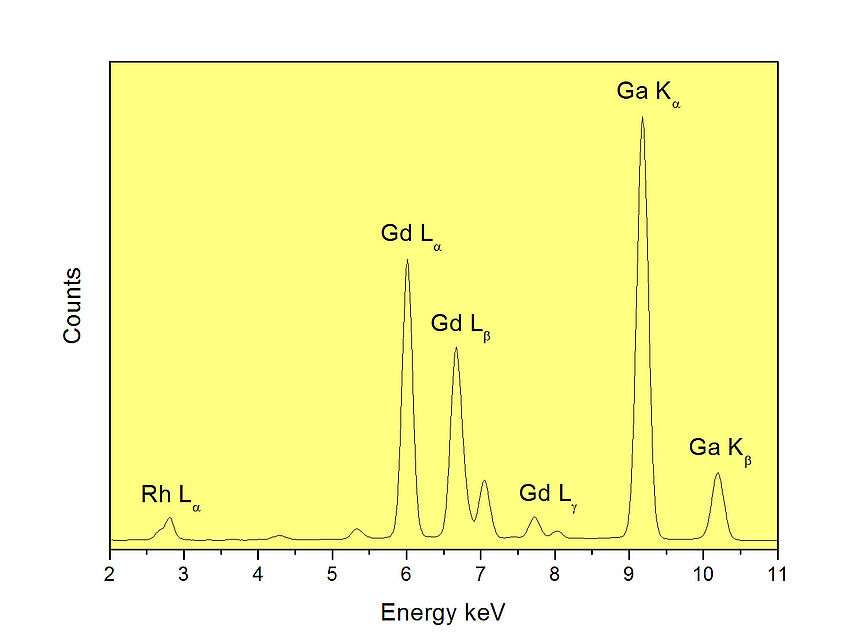
GGG (gadolinium gallium garnet)
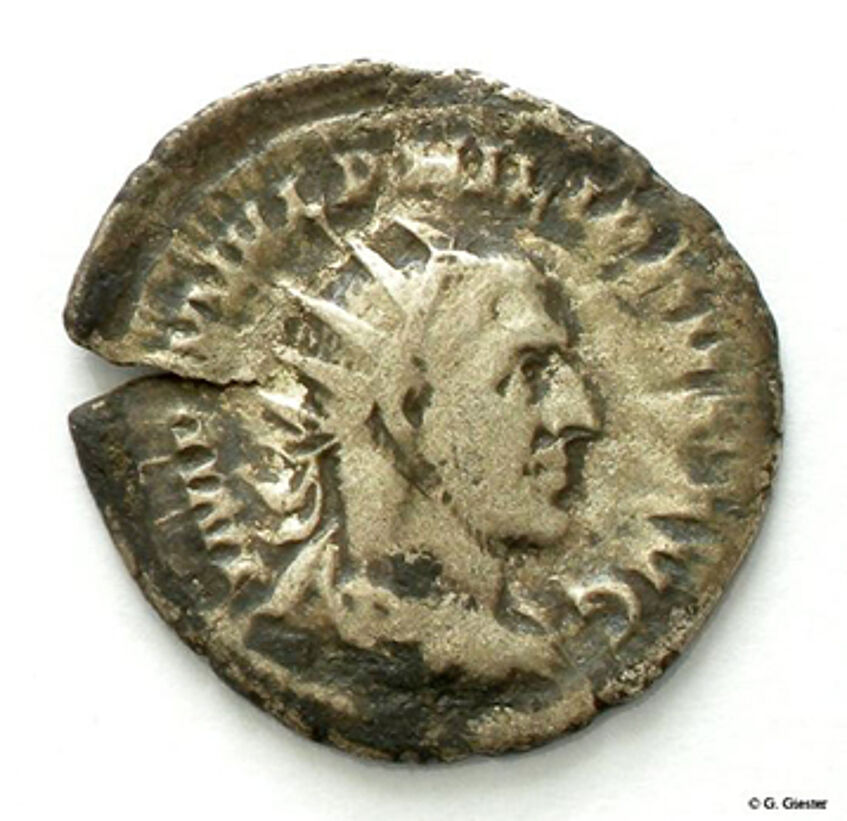
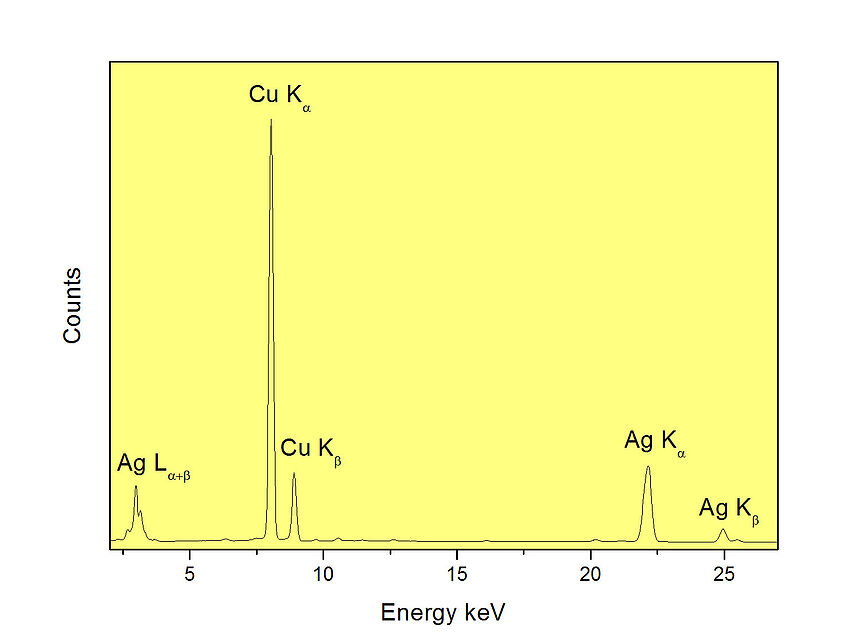
Philippus I, 244-249, Antoninian Roman silver coin
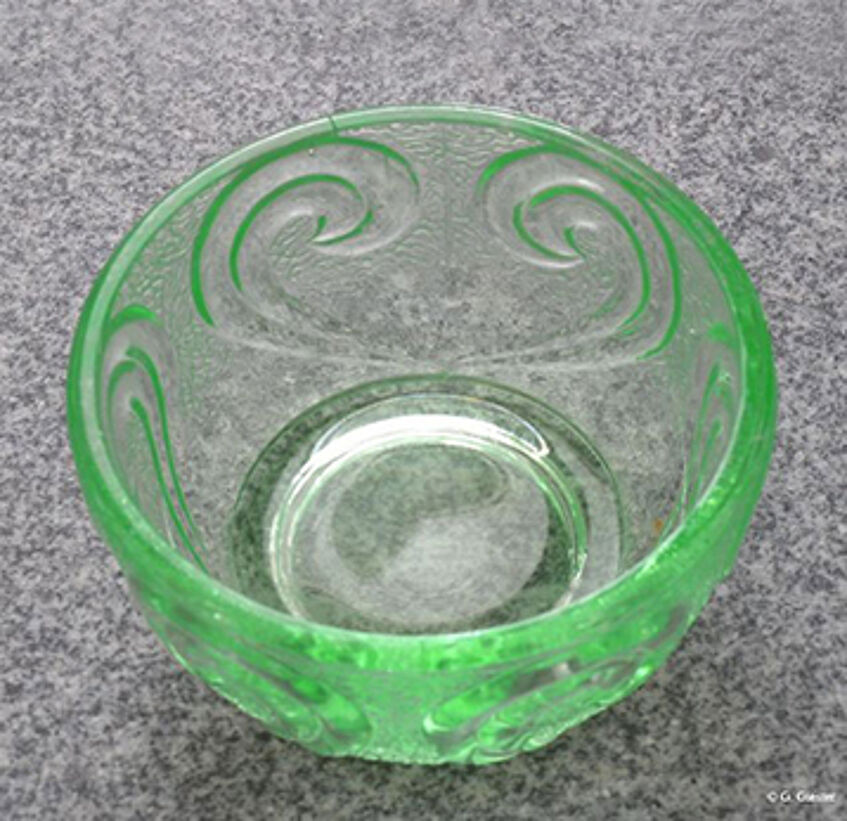
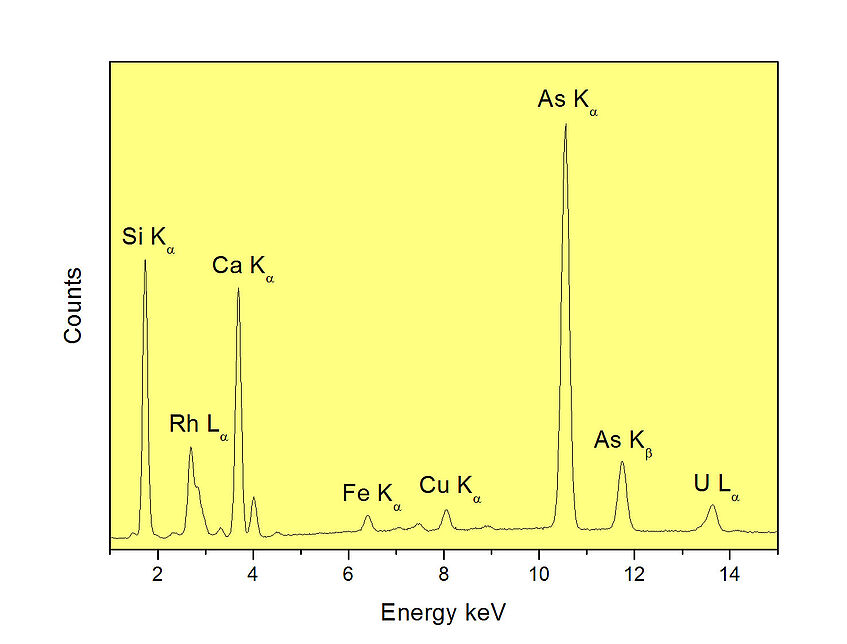
Salt cup, uranium glass, Art Deco about 1930
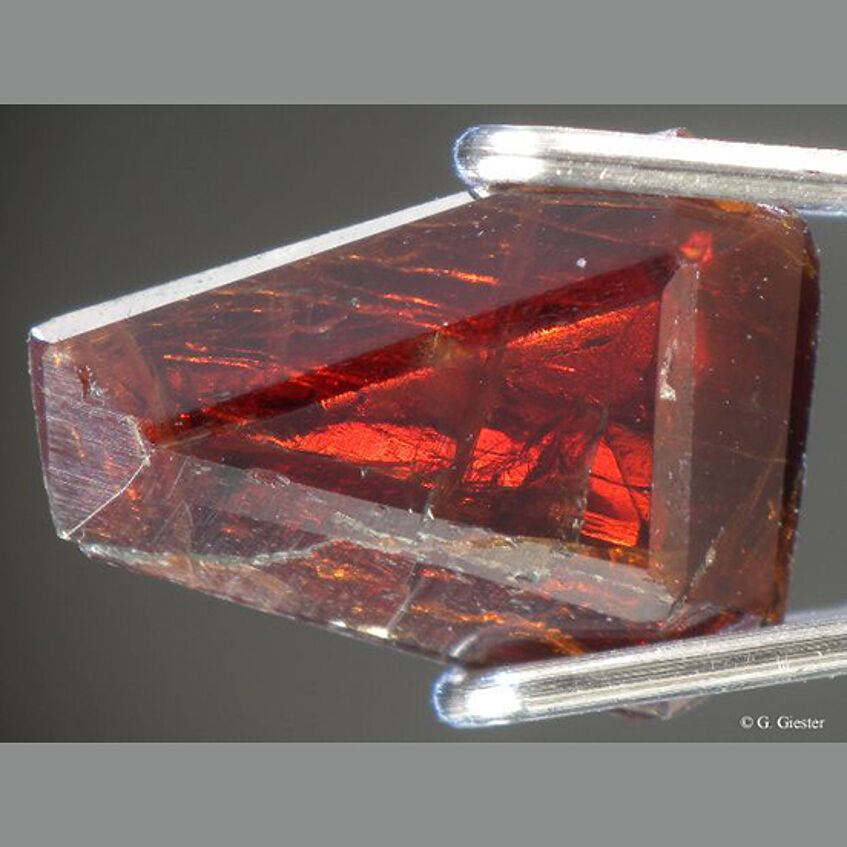
Stibiotantalite
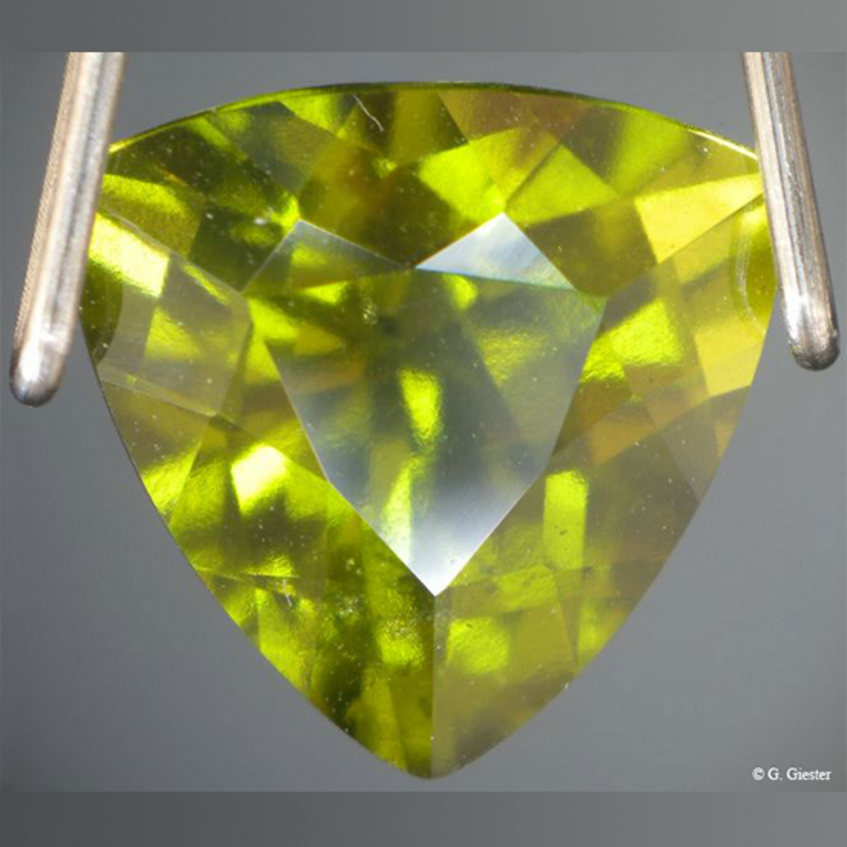
Vesuvianite
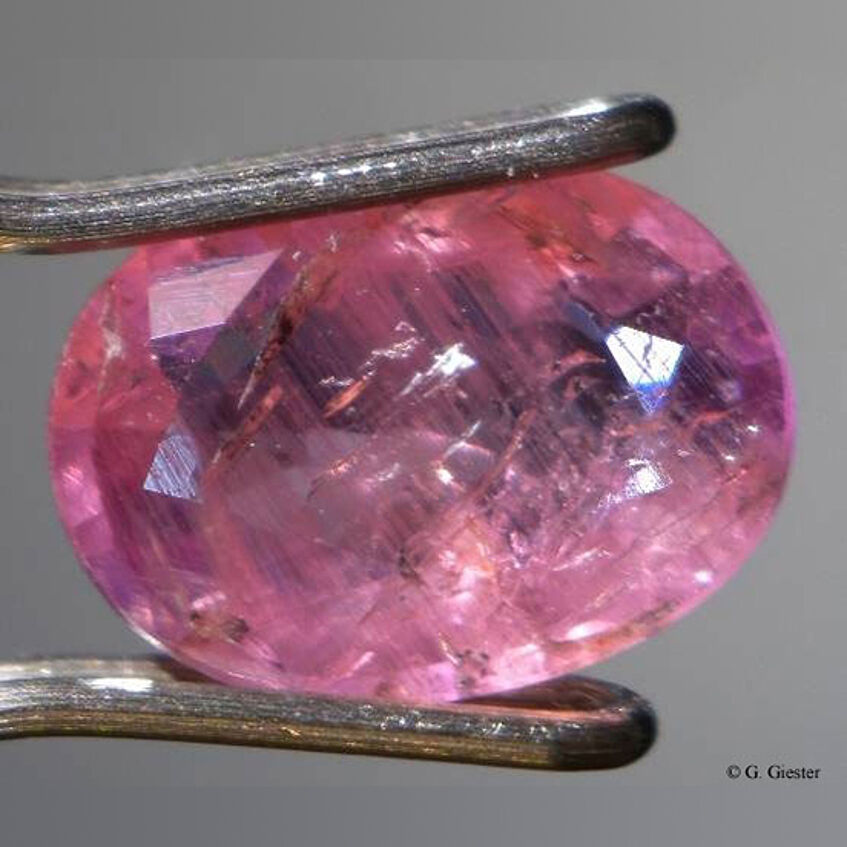
Pezzottaite
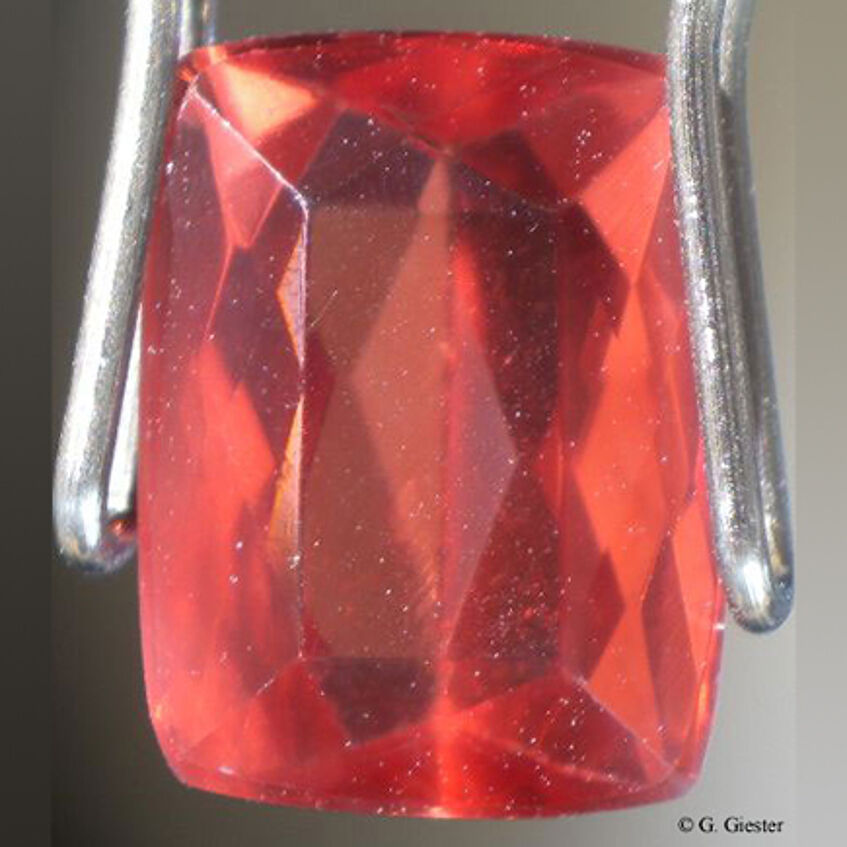
Fluorite
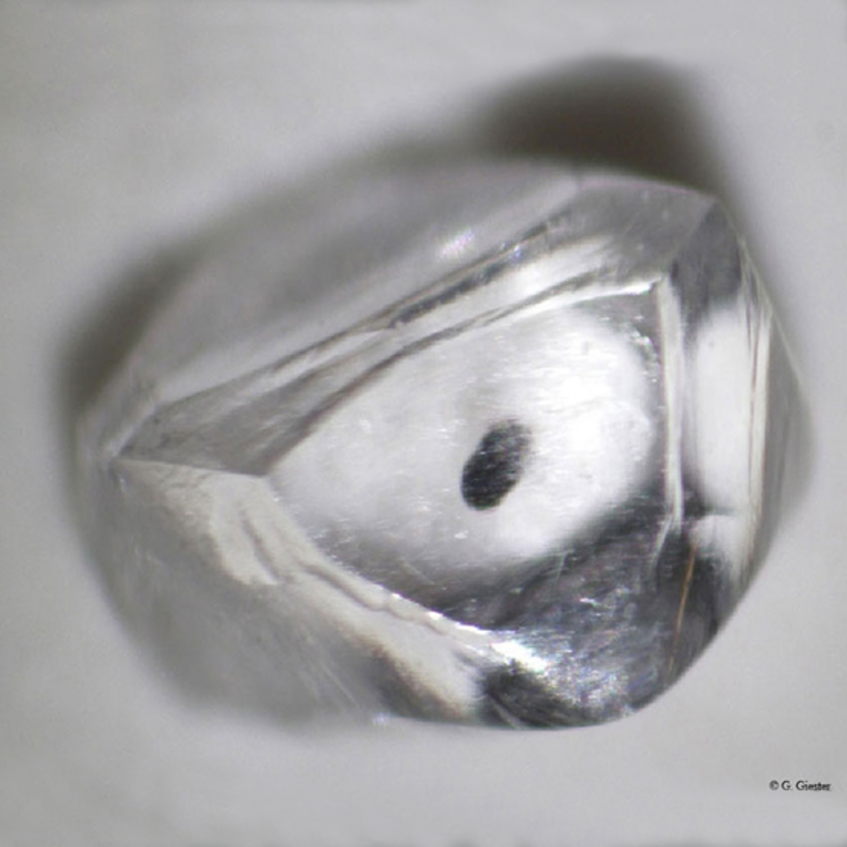
Inclusions in diamond: chromite
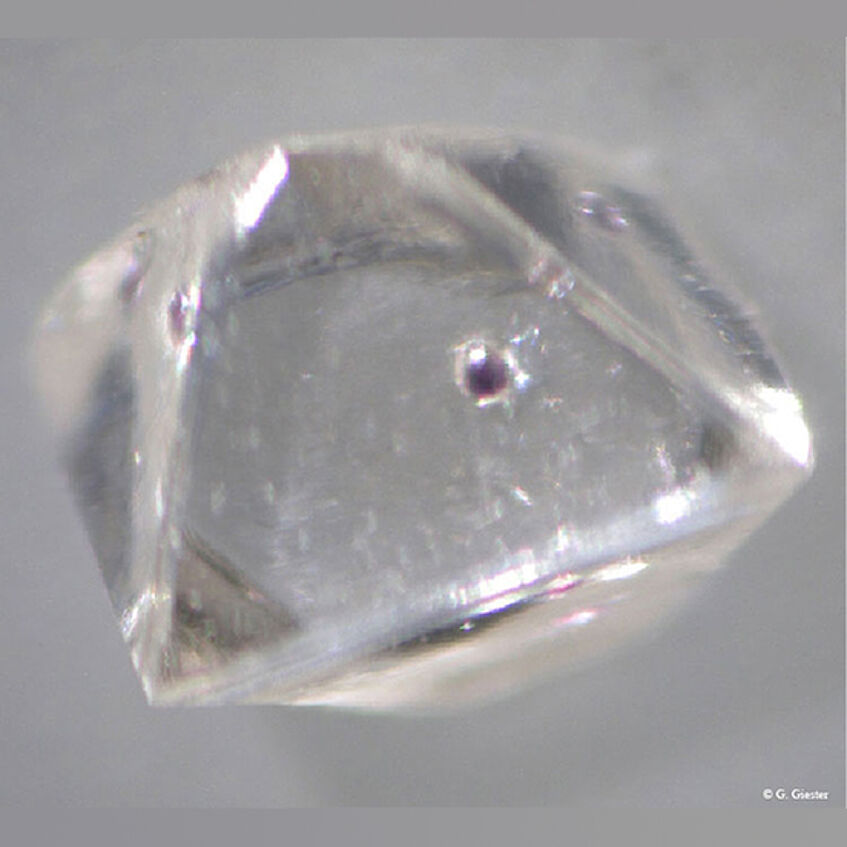
Inclusions in diamond: pyrope
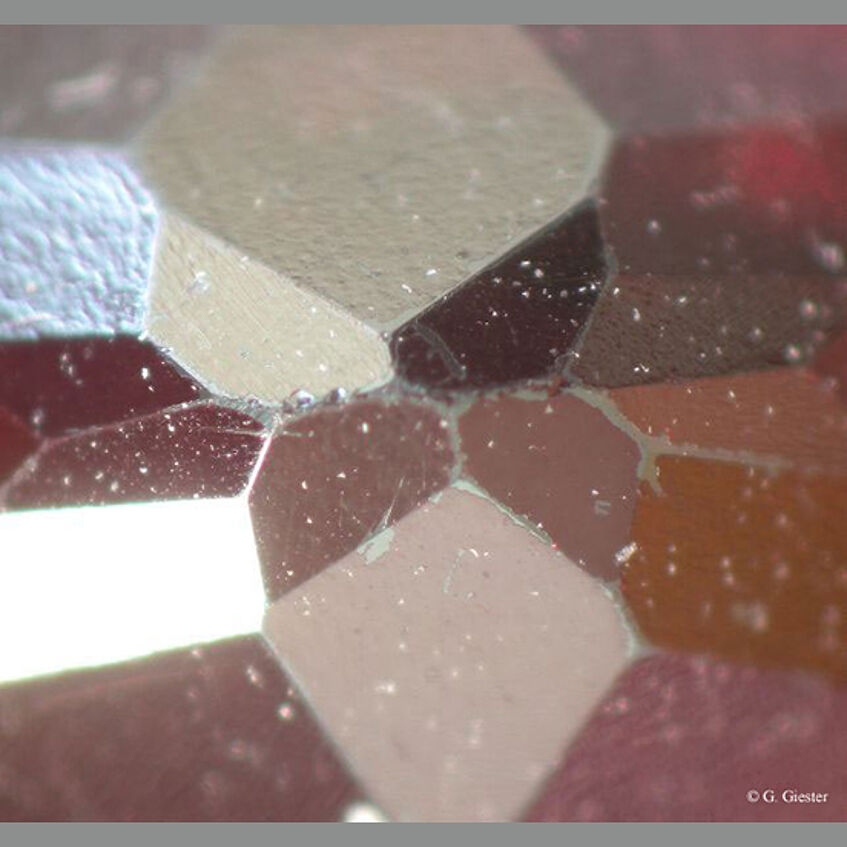
Topaz, coated
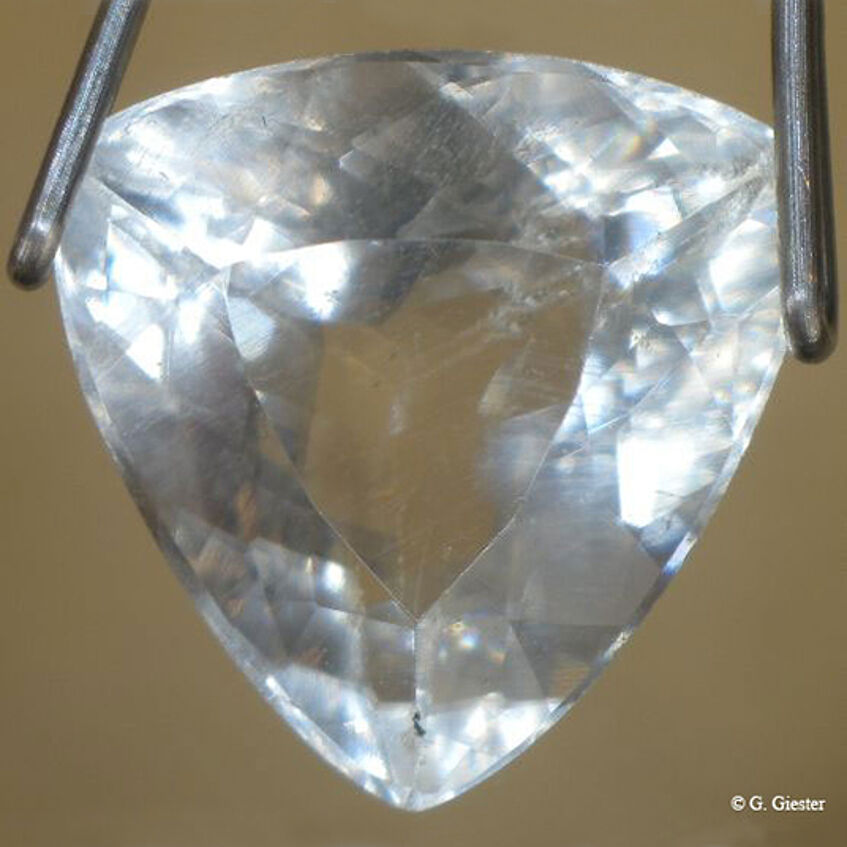
Aragonite
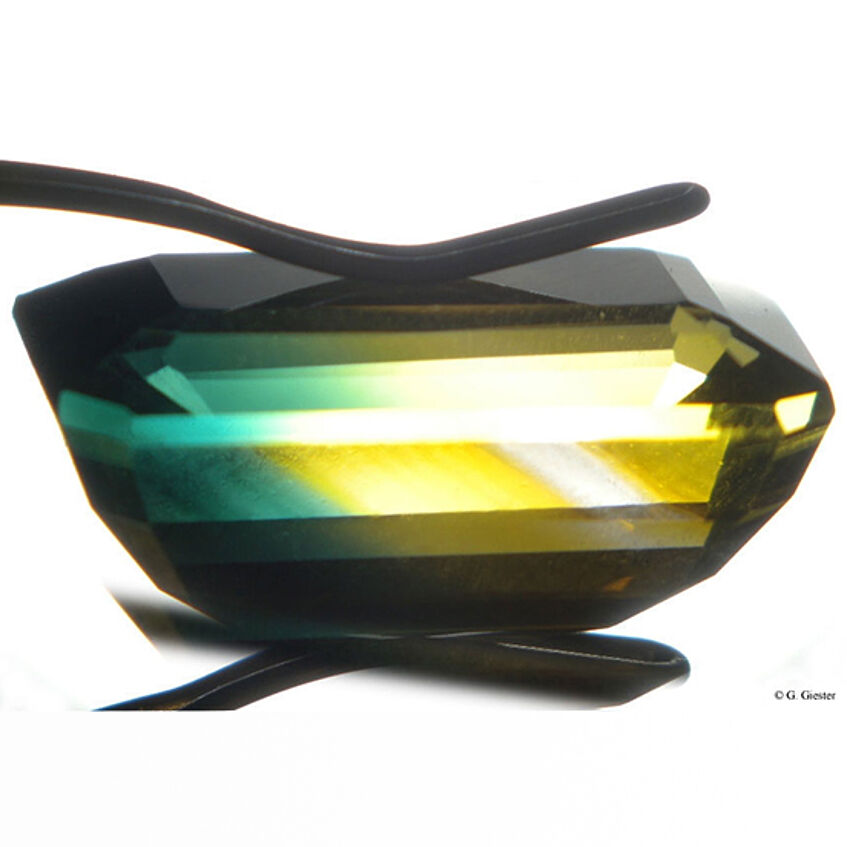
Synthetic quartz (hydrothermal,with seed plate)
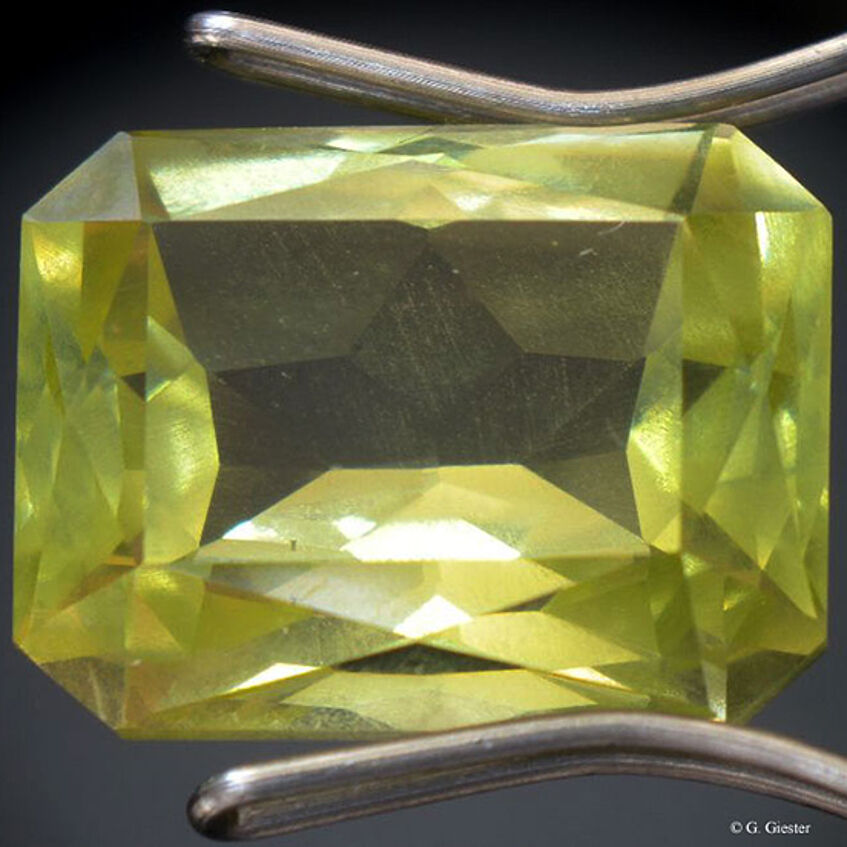
Periclase, synthetic
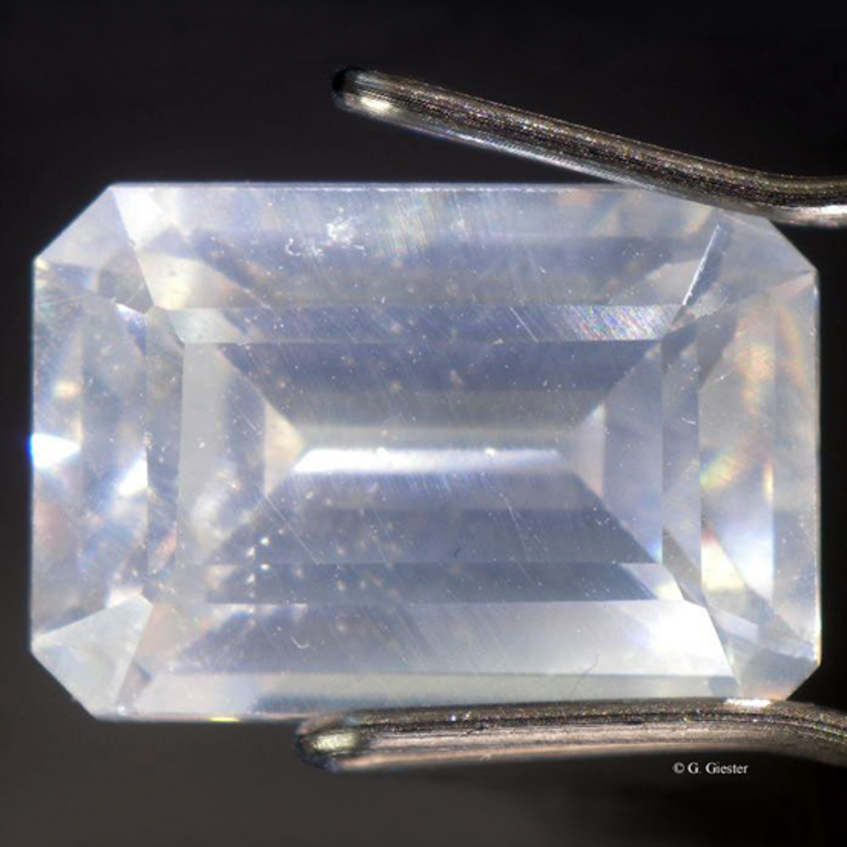
Bismuthgermanate, synthetic
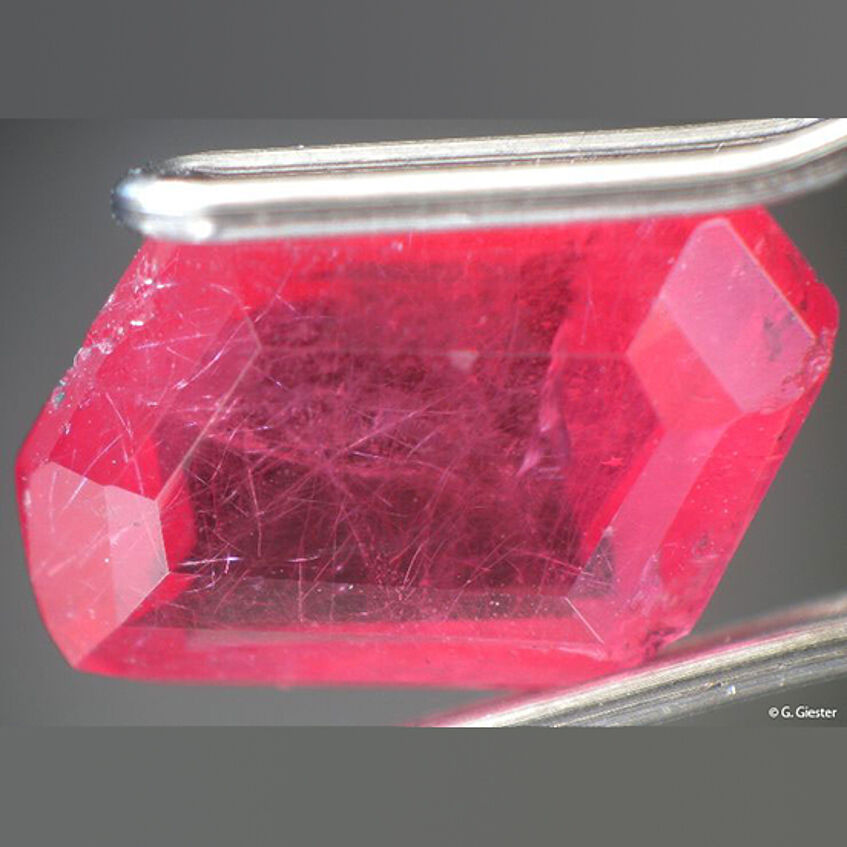
Rhodonite
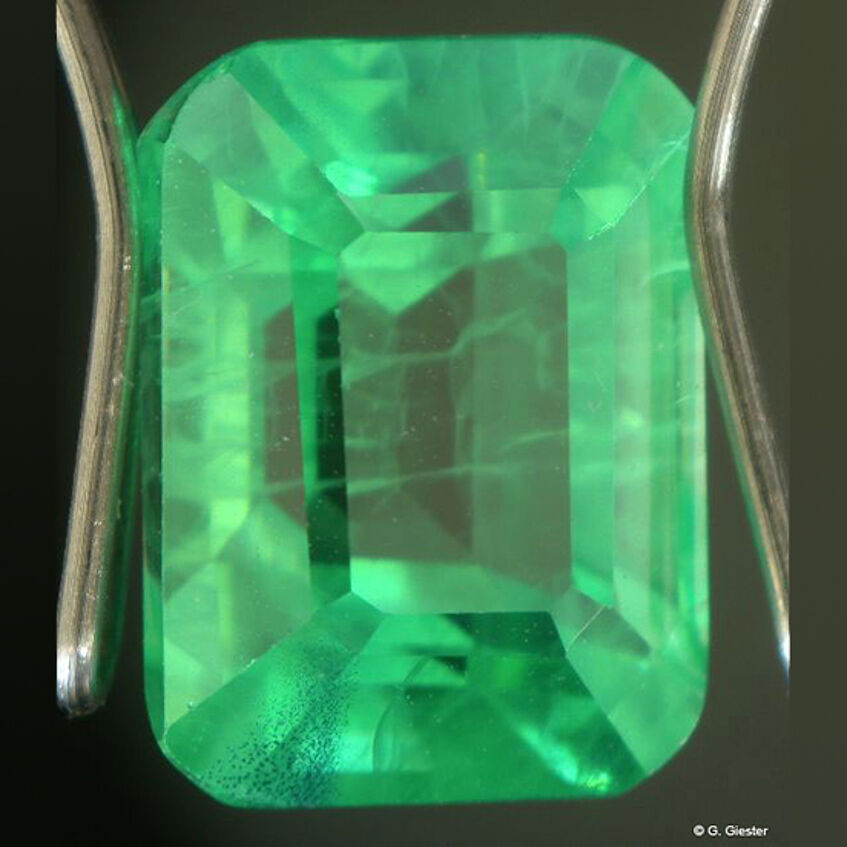
Emerald imitation (synthetic corundum)
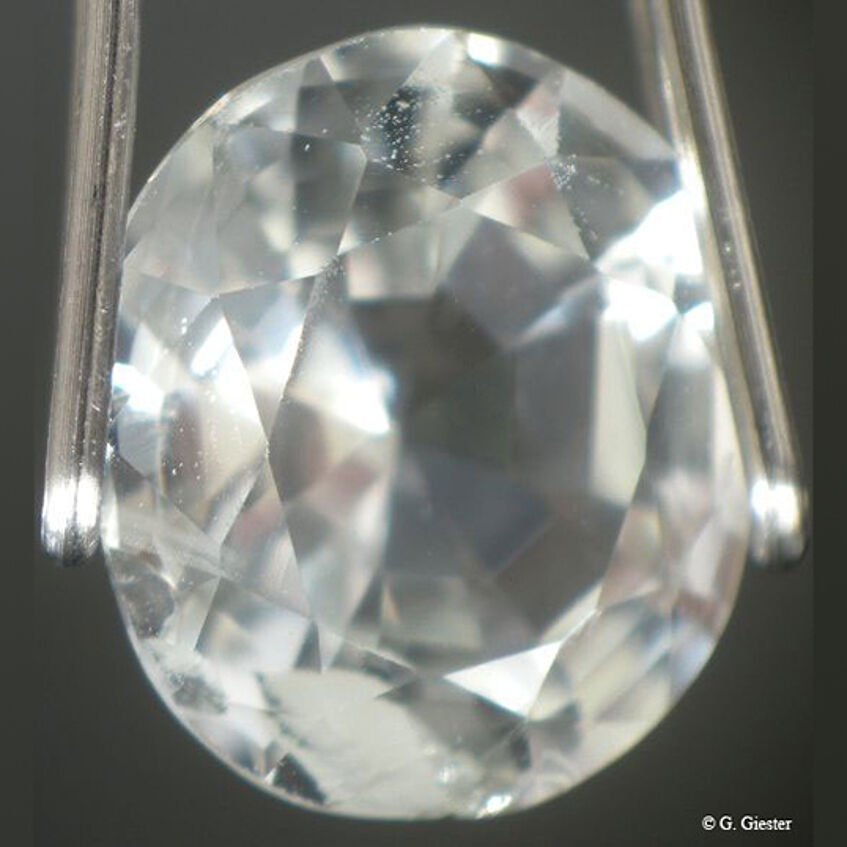
Forsterite
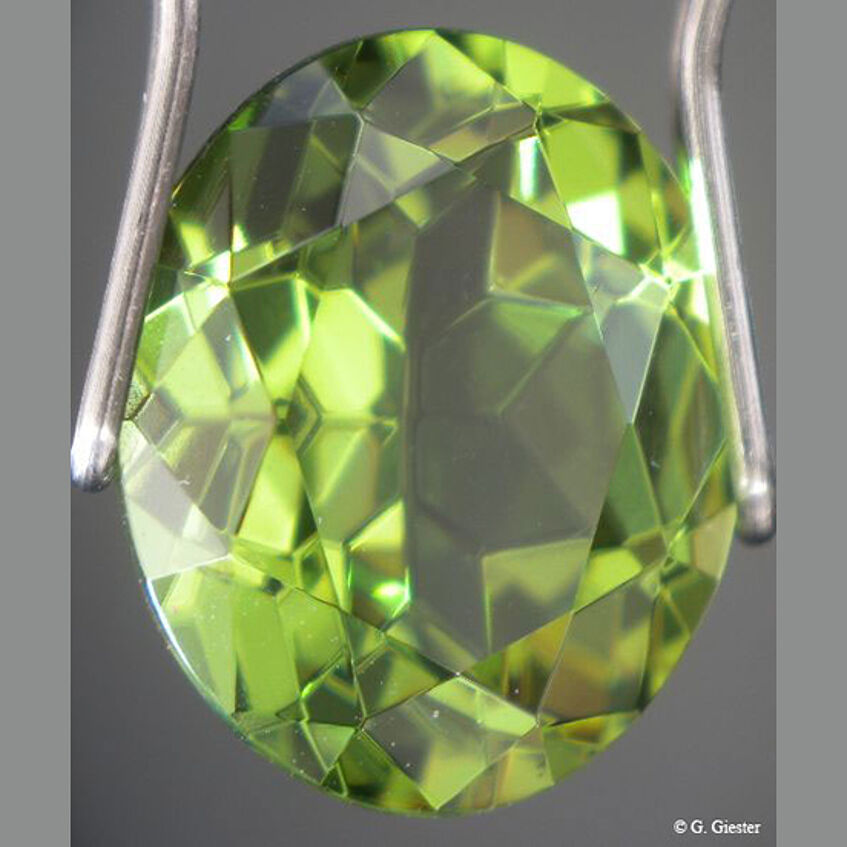
Olivine imitation (triplet, synth. spinel)
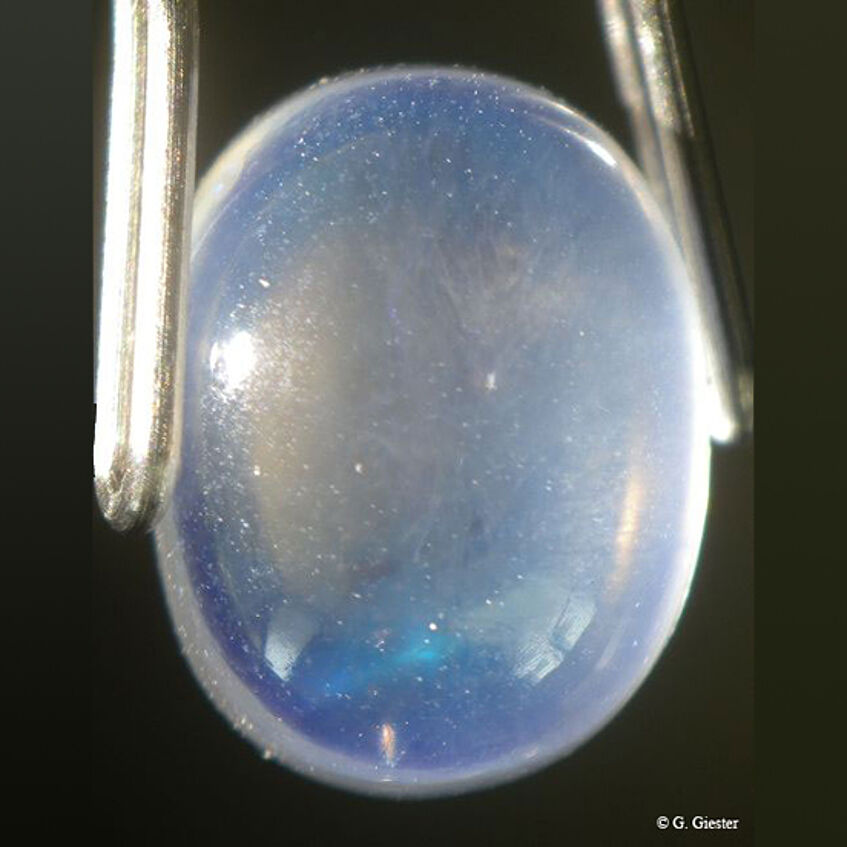
Synth. spinel with moonstone effect
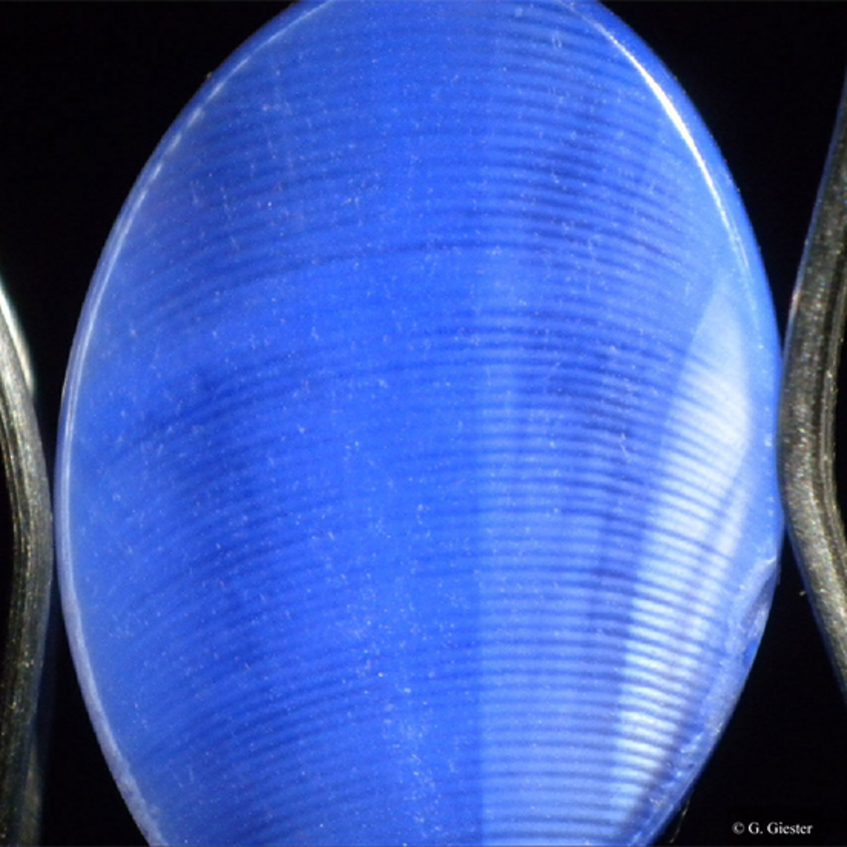
Synth. sapphire with growth features
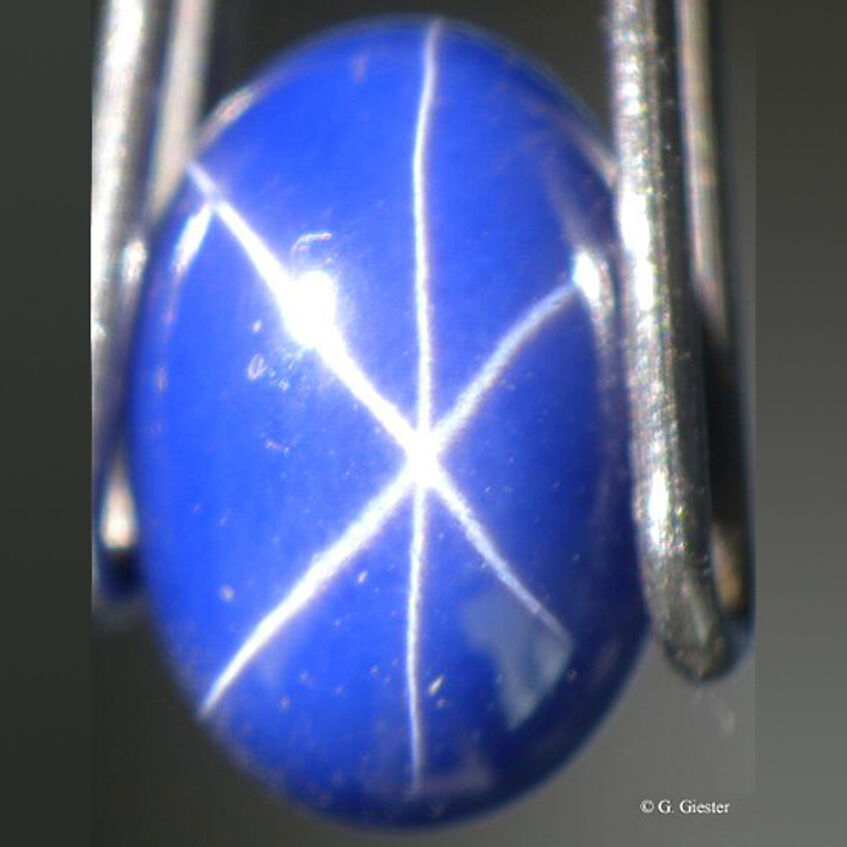
"Gilson" star sapphire, synthetic
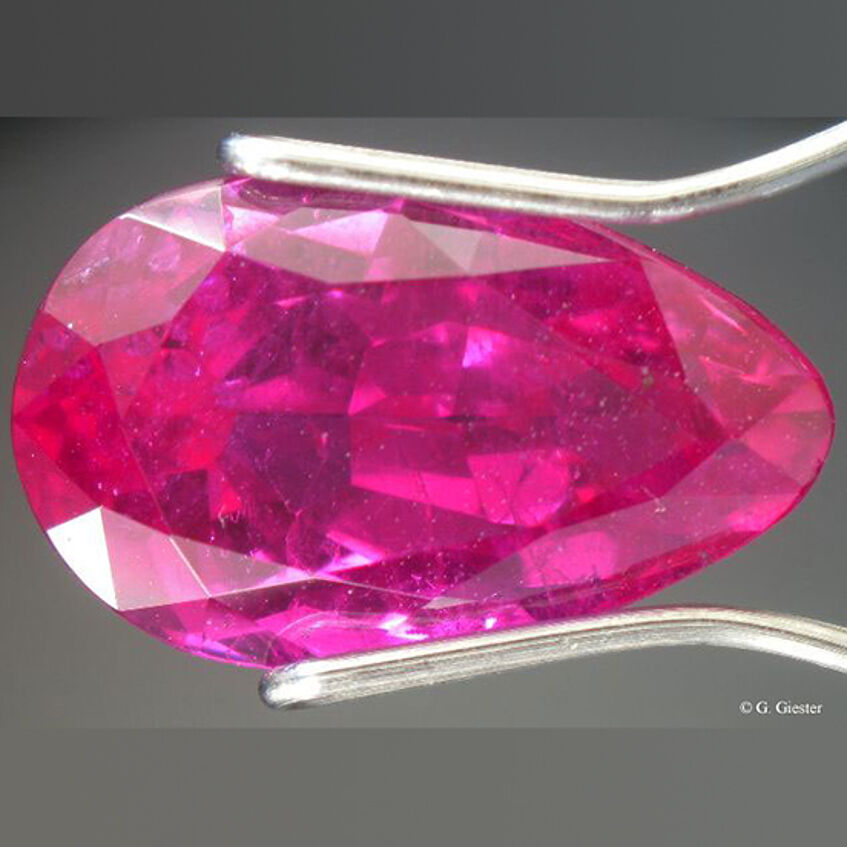
Knischka Ruby, Flux
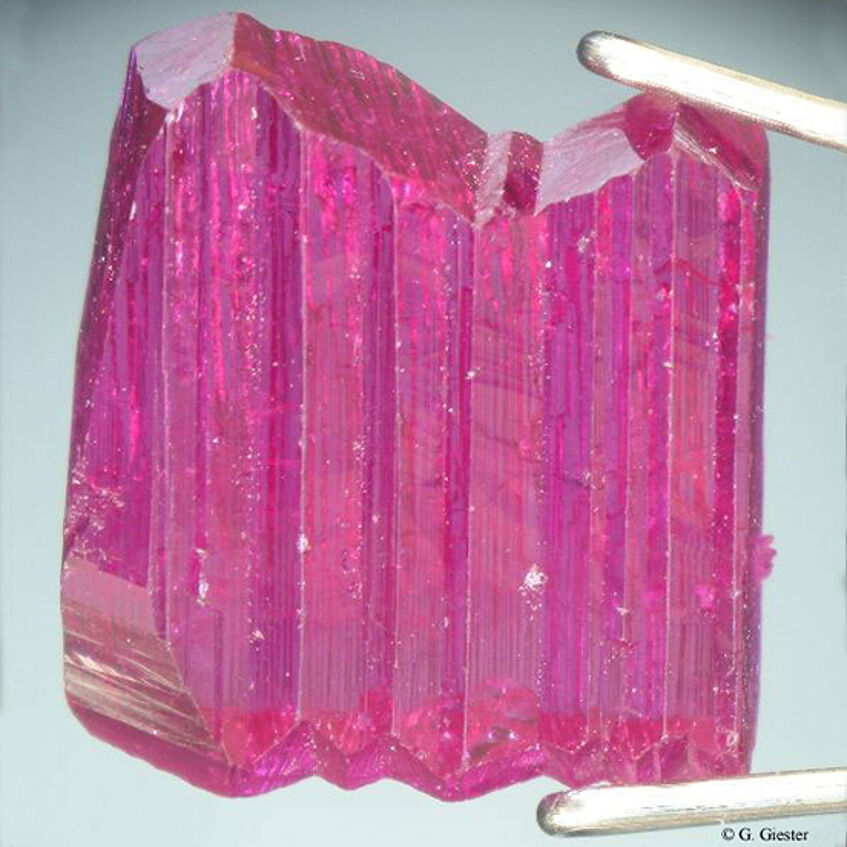
Knischka Ruby, Flux
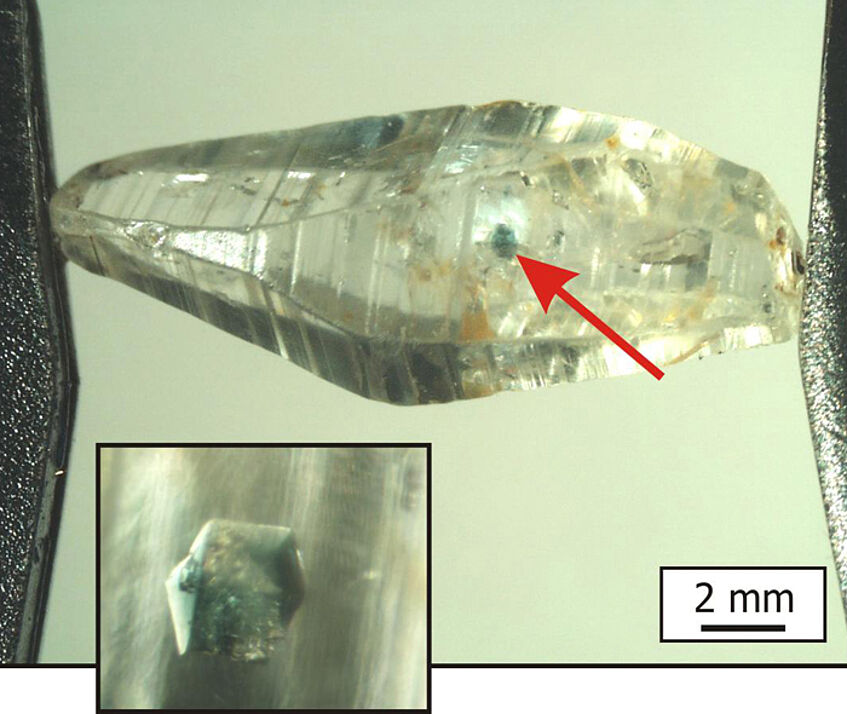
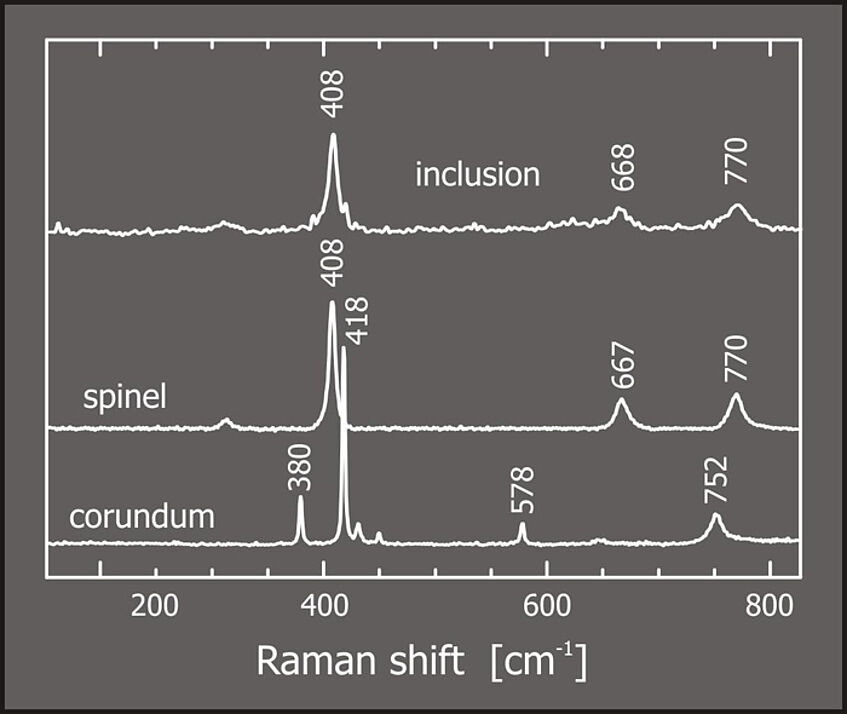
Corundum crystal from Sri Lanka, with an included spinel crystal (red arrow) in its centre. The inset (width of photograph approx. 2 mm) is a detail enlargement showing the spinel, which is 2 mm behind the corundum surface (left), Raman shift (right)
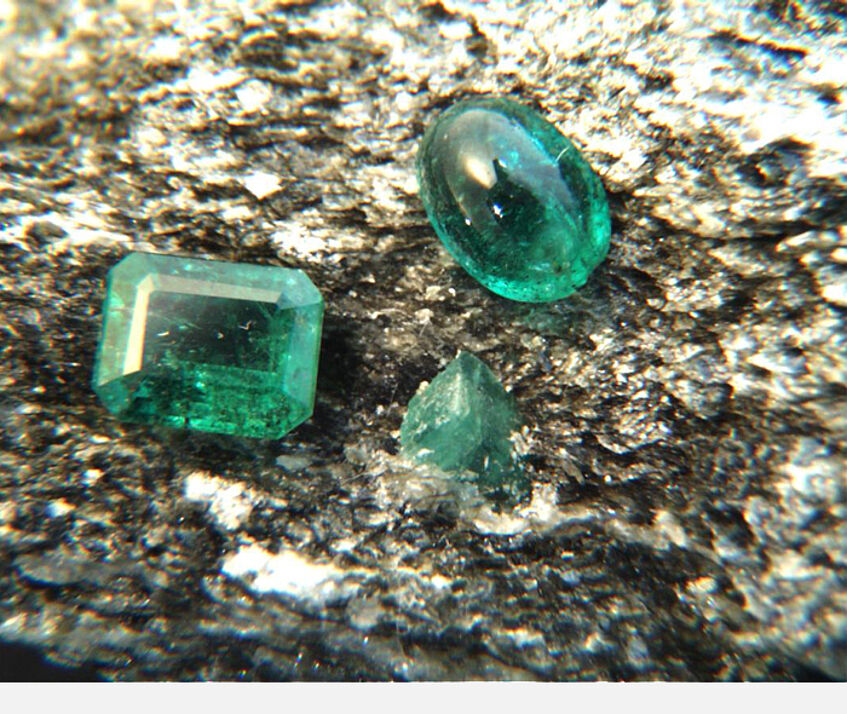
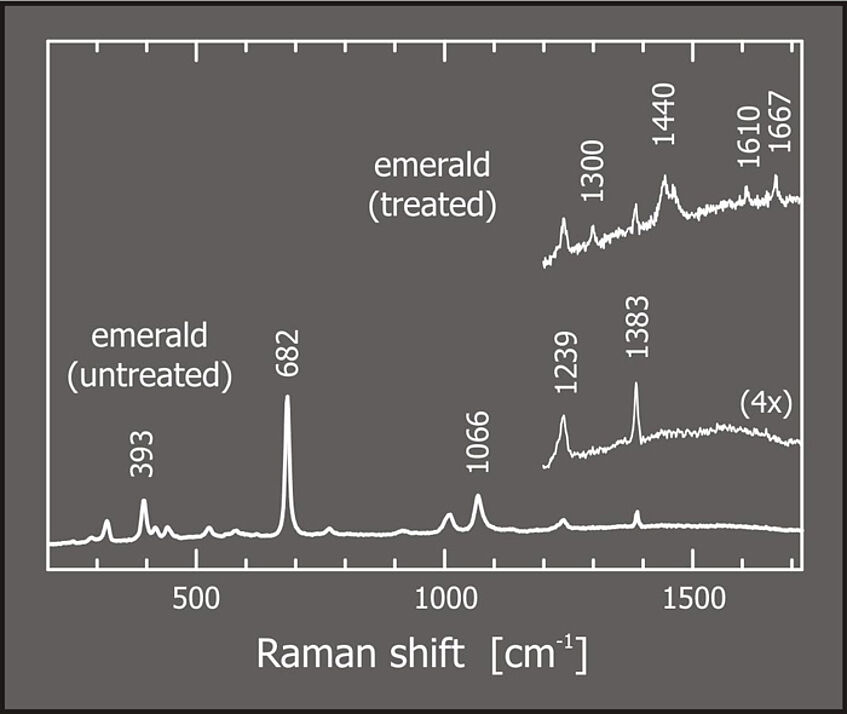
Natural emerald crystal in a mica schist from the Habach valley, Austrian Alps, with two cut stones. Width of photograph 2.5 cm. The clarity of the cabochon at the right was enhanced by treatment with cedar wood oil (left), Raman shift (right)
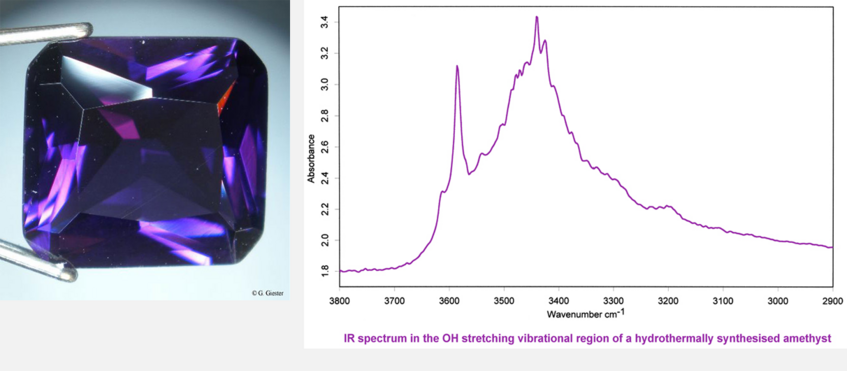
Hydrothermally synthesised amethyst (left) and the IR spectrum in the OH stretching vibrational region (right)
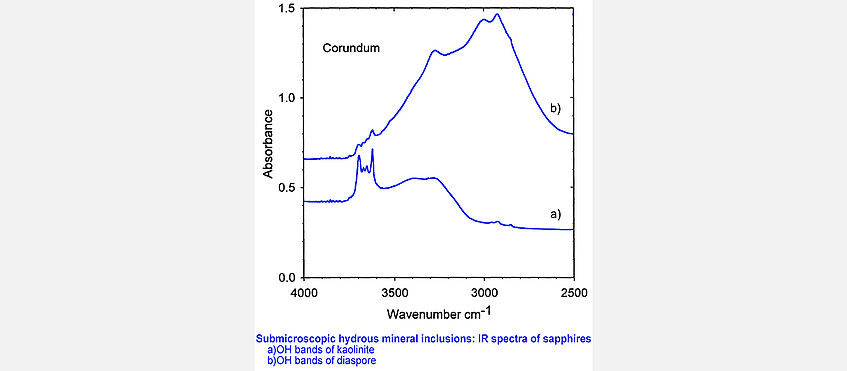
Characterisation of submicroscopic hydrous mineral inclusions: IR spectra of sapphires in the OH stretching vibrational region, taken through turbid crystal parts;
a) OH bands of kaolinite, b) OH bands of diaspore